How Did We Find Out About Computers
Asimov chronicles the evolution of computing from counting fingers to silicon chips, framing machines as logical extensions of the human desire to calculate accurately.
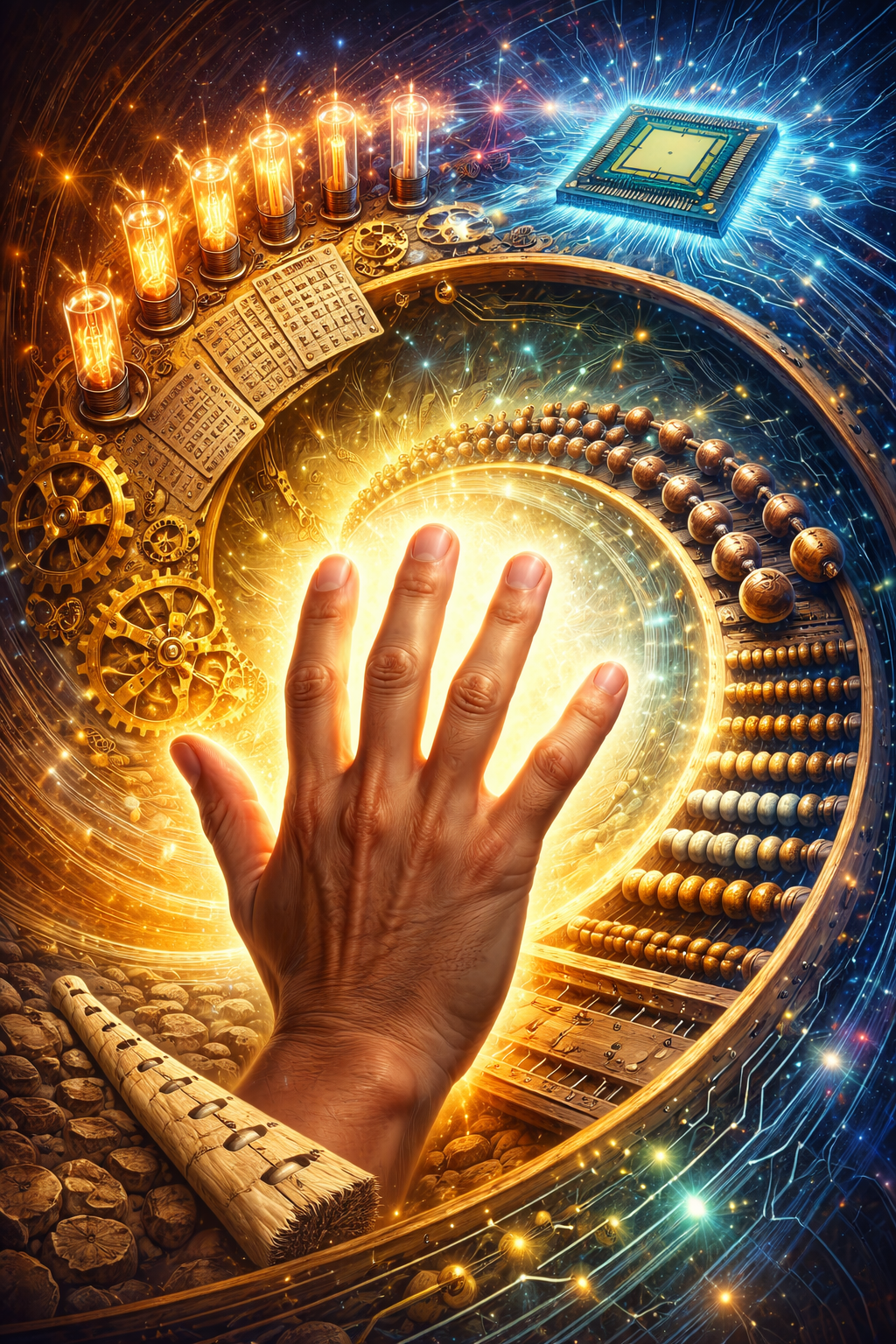
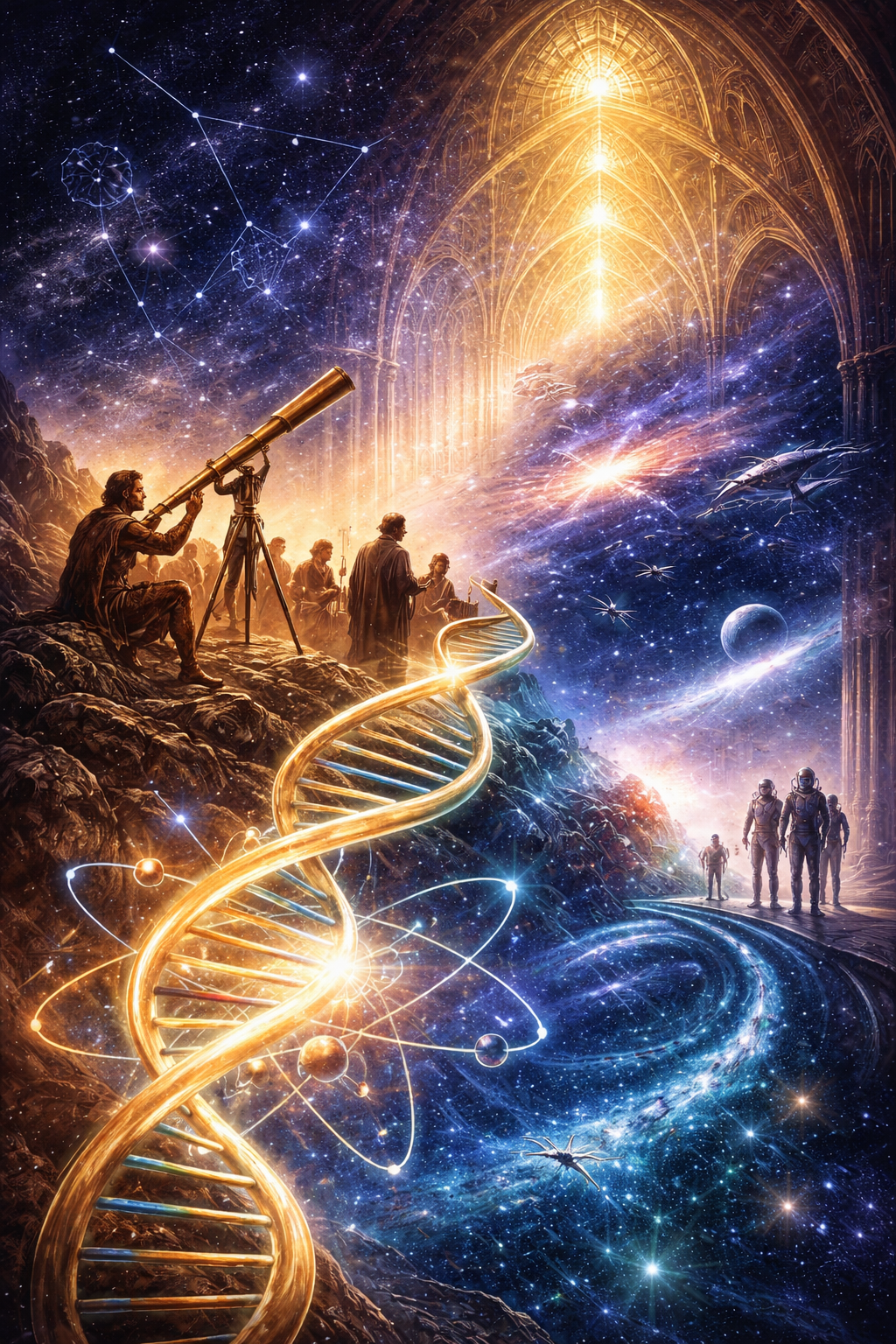
The story of how we found out about computers does not begin with the hum of electricity or the glow of a screen but with the simple movement of a human hand. Isaac Asimov invites us to look at our own fingers to find the origin of the digital age. He explains that the computer is not a sudden intrusion into our history but the latest chapter in a very long narrative of human thought. This journey is a steady awakening moving from the physical to the mechanical and finally to the electronic.
In the first stage of this story we find ourselves in the distant past. Humanity faced a growing problem which was the need to keep track of possessions and time. Whether it was sheep in a flock or days between seasons the mind required a way to organize reality. We began by using what was literally at hand which was our fingers. This physical act of counting created our decimal system because we have ten fingers and so we learned to think in groups of ten. Eventually pebbles and notches in bone replaced fingers leading to the creation of the abacus. Asimov presents the abacus as a profound turning point because it introduced abstraction. A bead no longer had to be a sheep but could stand for one. This separation of the symbol from the object was the true beginning of computing.
The narrative then shifts to the seventeenth century which was a time of mechanical wonder. Great thinkers like Blaise Pascal and Gottfried Wilhelm Leibniz sought to ease the burden of tedious arithmetic required for trade navigation and astronomy. They realized that if numbers could be represented by the positions of gears and wheels then the act of calculation could be reduced to mechanical motion. Pascals machine allowed digits to advance and carry over automatically through precision engineering. Leibniz took this further showing that even multiplication and division could be delegated to a device. The core lesson of this era was revolutionary because the mind could delegate the labor of logic to a machine.
As the story moves into the nineteenth century we encounter a visionary leap toward the modern world. Charles Babbage imagined a device called the Analytical Engine. Unlike previous calculators that needed constant human guidance this machine was designed to follow a sequence of instructions stored on punched cards which was an idea borrowed from the weaving looms of the time. Babbages engine was a modern computer in spirit featuring computer memory and a central processing unit. While engineering limits prevented its completion the idea of programmability had been born. Alongside Babbage Ada Lovelace recognized that such a machine could manipulate more than just numbers. She saw that the future of the computer was not just calculation but the manipulation of information such as music or language.
The twentieth century brought the pressures of war and science demanding speed that gears could no longer provide. The story transitioned from mechanical motion to the movement of electrons. Vacuum tubes replaced wheels and electricity replaced steam allowing machines to perform tasks in seconds. A key part of this transition was the move to binary numbers. By using only two digits which are zero and one engineers matched the logic of mathematics to the nature of electrical circuits which are either on or off. This simplicity allowed logic itself to become electrical making machines more reliable and incredibly fast.
As the narrative nears the present the machines begin to shrink. The invention of the transistor and the integrated circuit allowed millions of components to be packed onto tiny silicon chips. Asimov describes this not as a series of miracles but as a sequence of logical refinements where each new step solved a problem created by the last. The room sized giants of the early electronic age became the desktop companions of the modern era becoming faster and more efficient as they became smaller.
In reviewing this story one sees Asimovs characteristic clarity and logic at work. He avoids technical jargon to focus on the evolution of a tool. A major theme of his review is the demystification of the electronic brain. While popular culture often fears that computers are rivals to human intelligence Asimov gently reminds us that they are extensions of our own logic. They possess speed and accuracy but they lack the creativity and judgment that belong solely to their architects. They do not think independently but follow our instructions with perfect obedience.
The story concludes with a sense of continuity rather than a sudden rupture in history. By tracing the lineage of the computer from the first counting fingers to the silicon chip Asimov removes the fear of the unknown. He shows us that computers are a monument to human persistence and our desire to make our thinking more precise. We found out about computers by asking the same simple questions for thousands of years such as how can we count more easily and how can we follow instructions more reliably. In the end the story of the computer is not the story of a mysterious box but the story of human progress itself.