science Supermen This anthology explores superhuman evolution, logically arguing that true greatness requires empathy, restraint, and the celebration of human imperfections to preserve our essential shared humanity.
science Asimov's New Guide to Science Humanity’s intellectual journey moves from ancient myths to modern reason, building a cumulative understanding of the entire universe through observation, logical correction, and scientific discovery.
science Fantastic Reading Stories and Activities for Grade 5 to 8 This book transforms young readers into analytical scientists through stories that teach observation, causality, and inference, eventually fostering independent creativity and universal thematic understanding.
science The Science Fictional Olympics Humanity evolves through competition from physical movement to mental abstraction, using games as a scientific metaphor to test human potential while surpassing all universal limits.
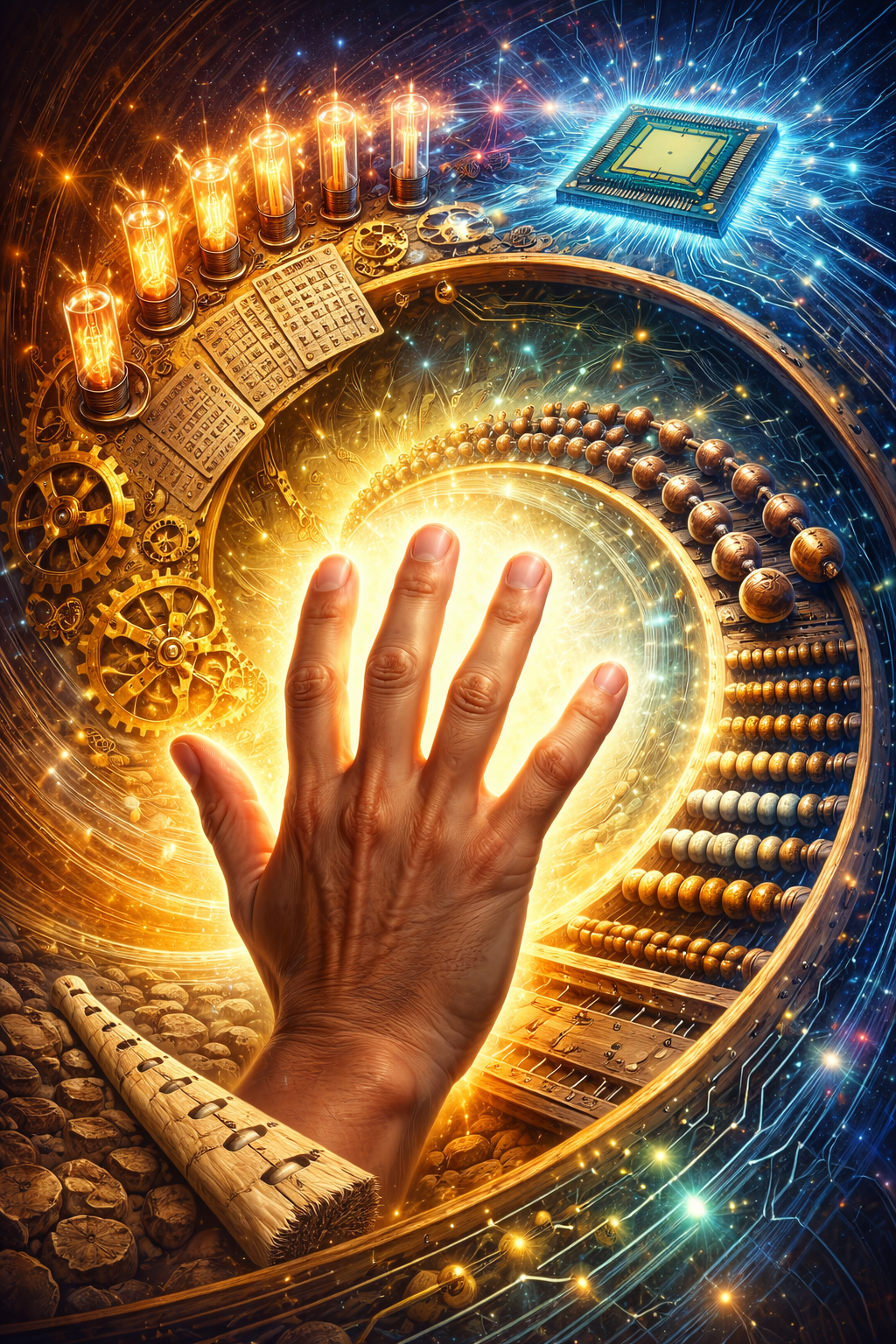
science How Did We Find Out About Computers Asimov chronicles the evolution of computing from counting fingers to silicon chips, framing machines as logical extensions of the human desire to calculate accurately.
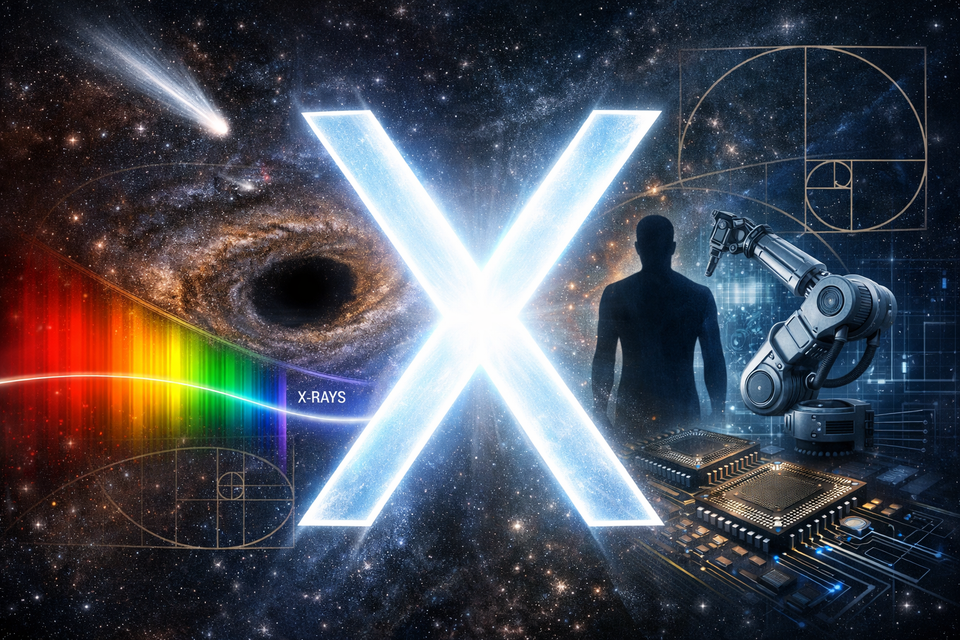
science X Stands for Unknown This collection features seventeen essays on physics, chemistry, astronomy, and mathematics, celebrating the logical process of uncovering the many pleasurable mysteries of the vast unknown.
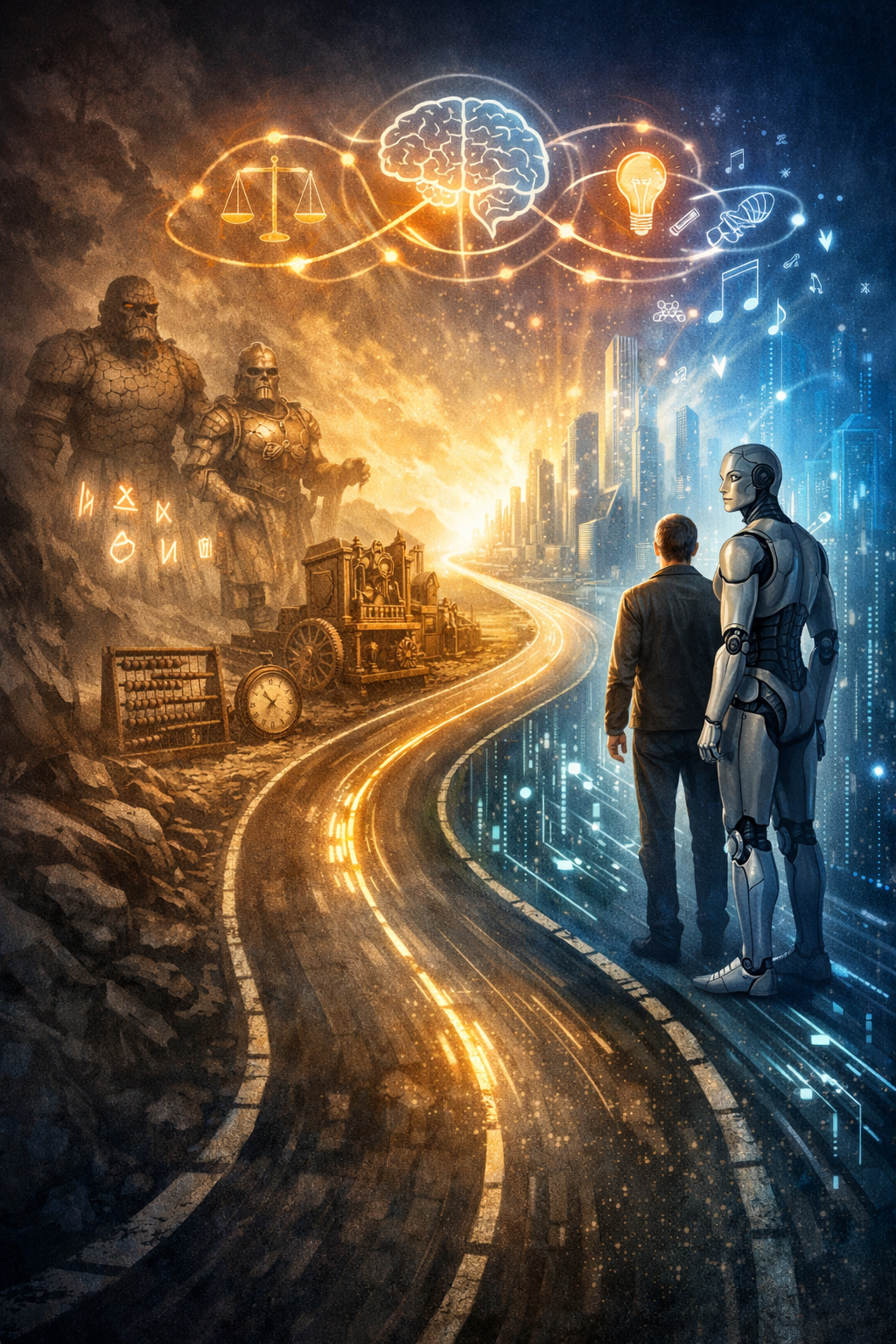
science Those Amazing Electronic Thinking Machines This anthology explores humanitys relationship with Artificial Intelligence via Thought Experiments concerning Logic and Ethics, presenting electronic machines as tools mirroring human intentions, limitations, responsibility.
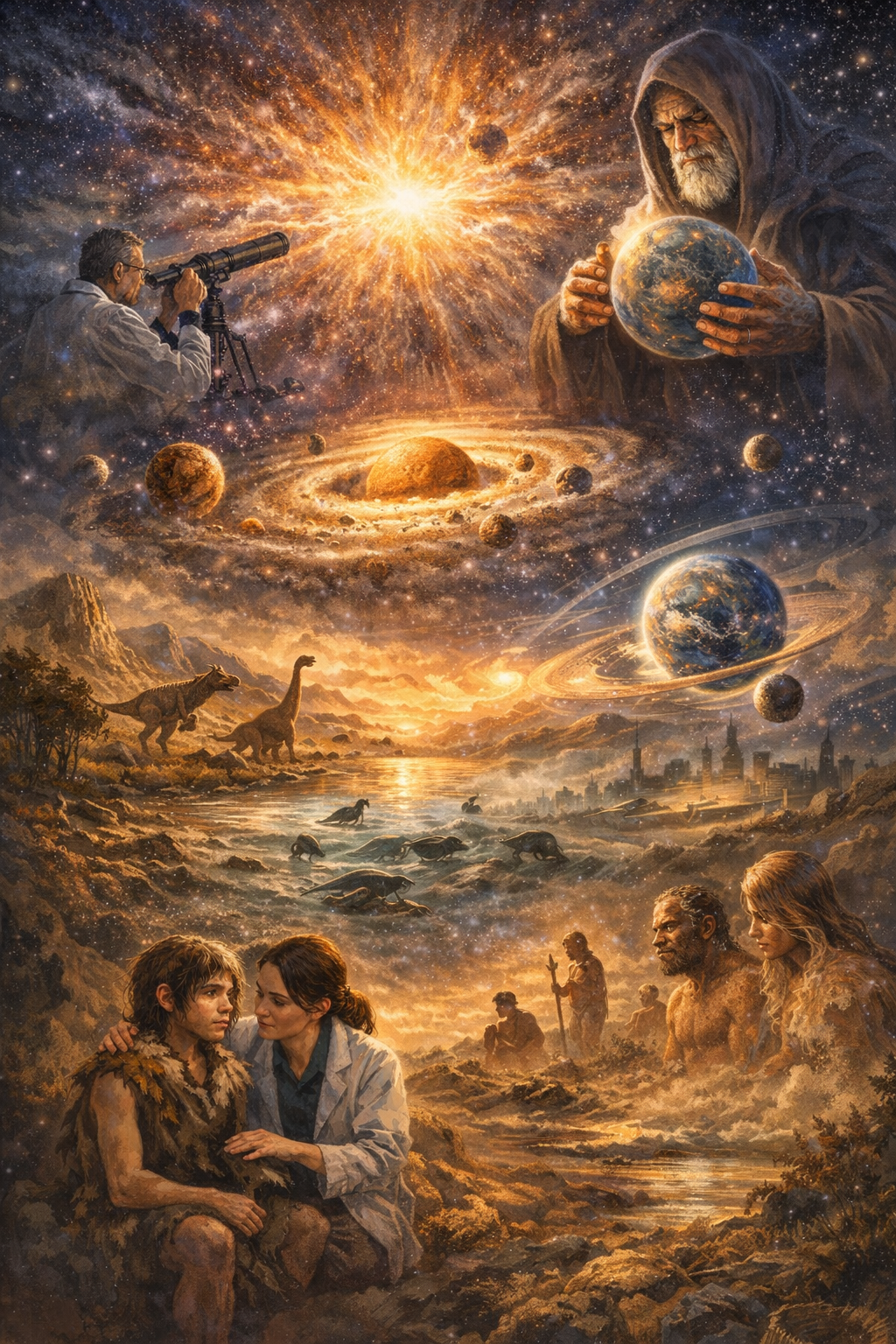
science Creations The Quest For Origins in Story and Science Asimov masterfully curated a logical dialogue between science, myth, and fiction in this anthology to explore cosmic, planetary, biological, and human origins.
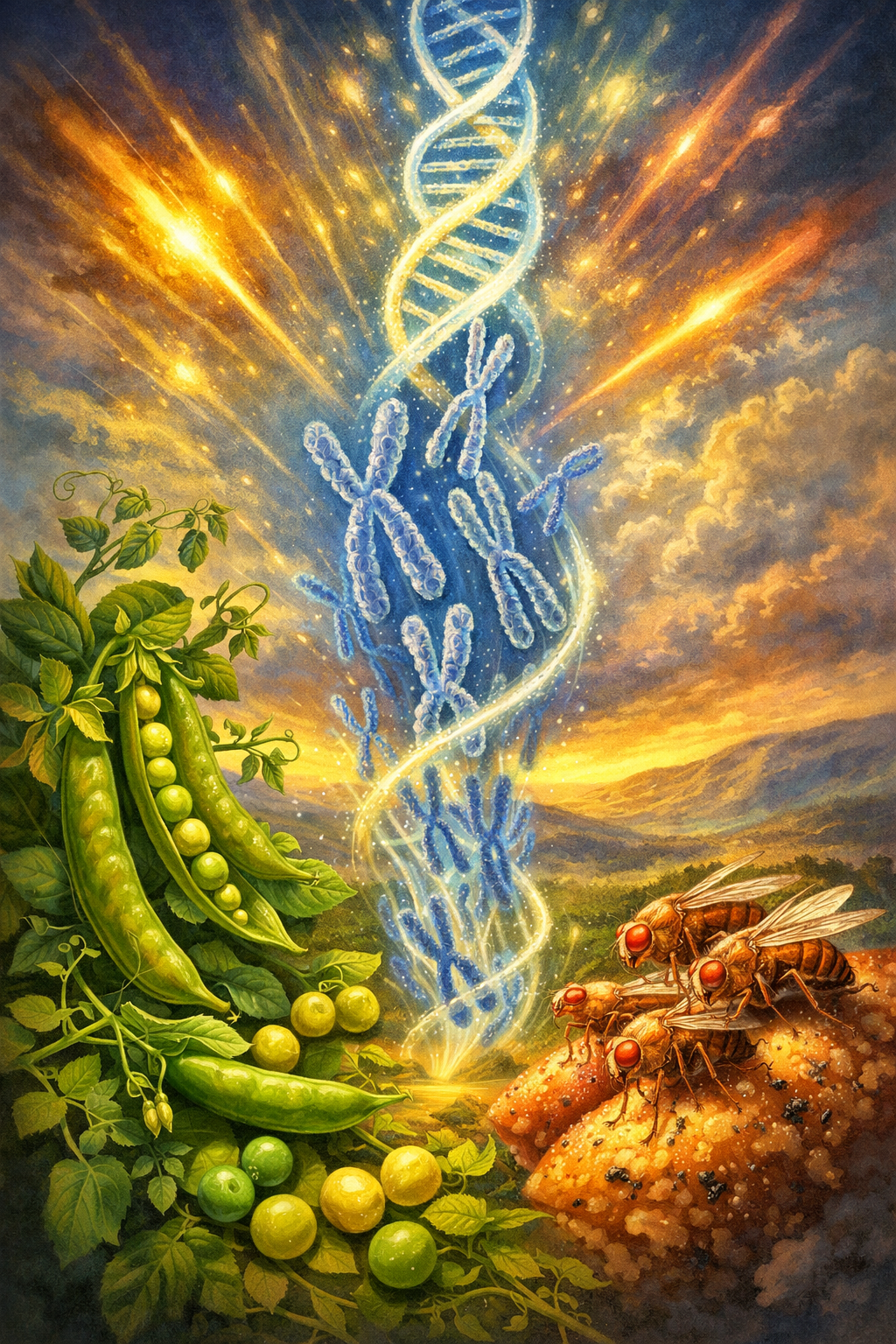
science How Did We Find Out About Genes Asimov details how meticulous observation of garden peas and flies transformed heredity into scientific knowledge, revealing genes as the mathematical and chemical blueprints of life.
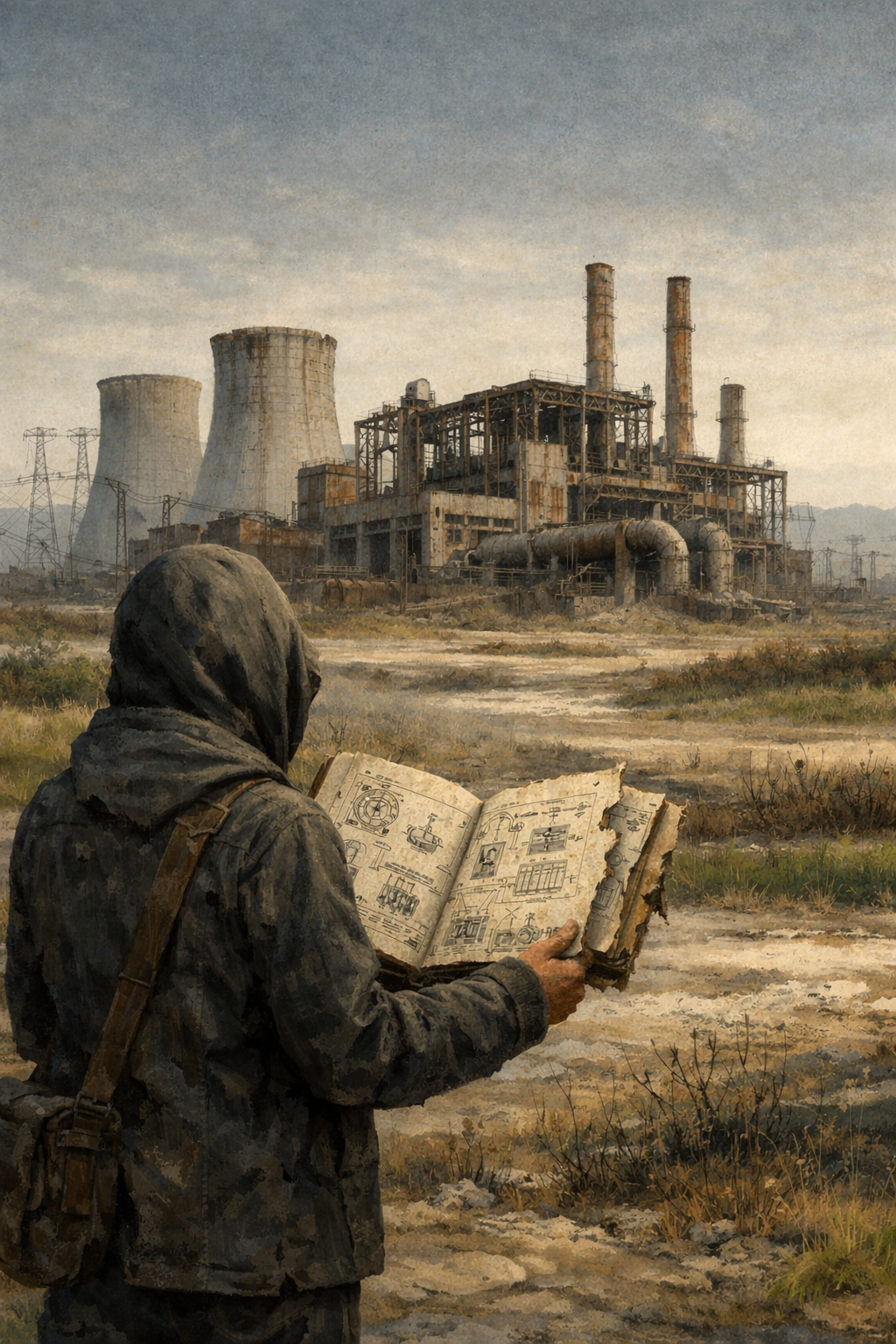
science After The End Asimov describes civilization as a fragile network. Its collapse triggers systemic failure, where lost infrastructure and ecological ruin make recovery impossible without proactive human wisdom.
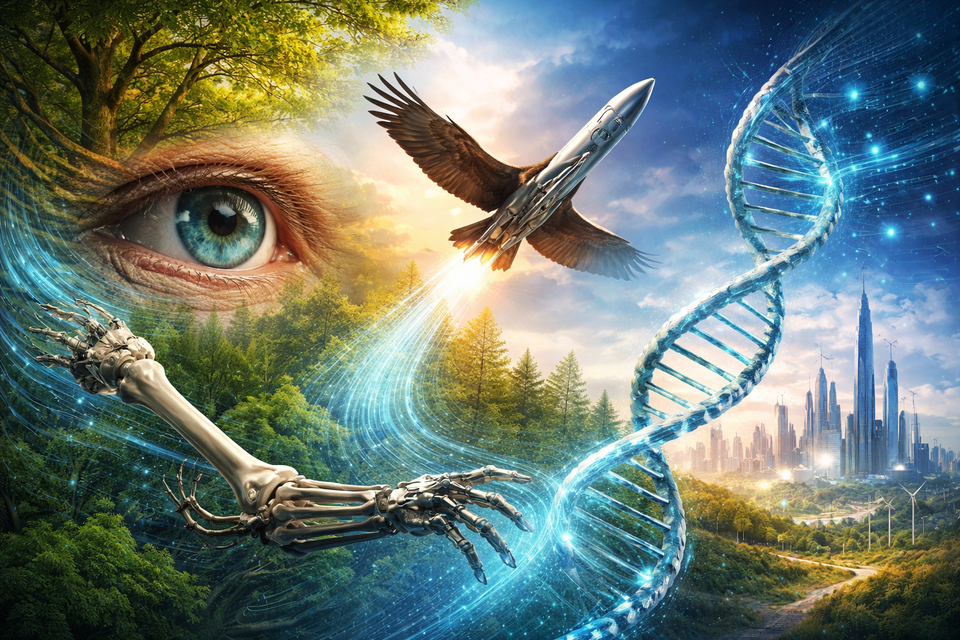
science Wild Inventions Asimov argues technology is a logical continuation of nature. Humanity imitates Biological Systems to create tools that successfully extend human reach, senses, and innate capabilities.
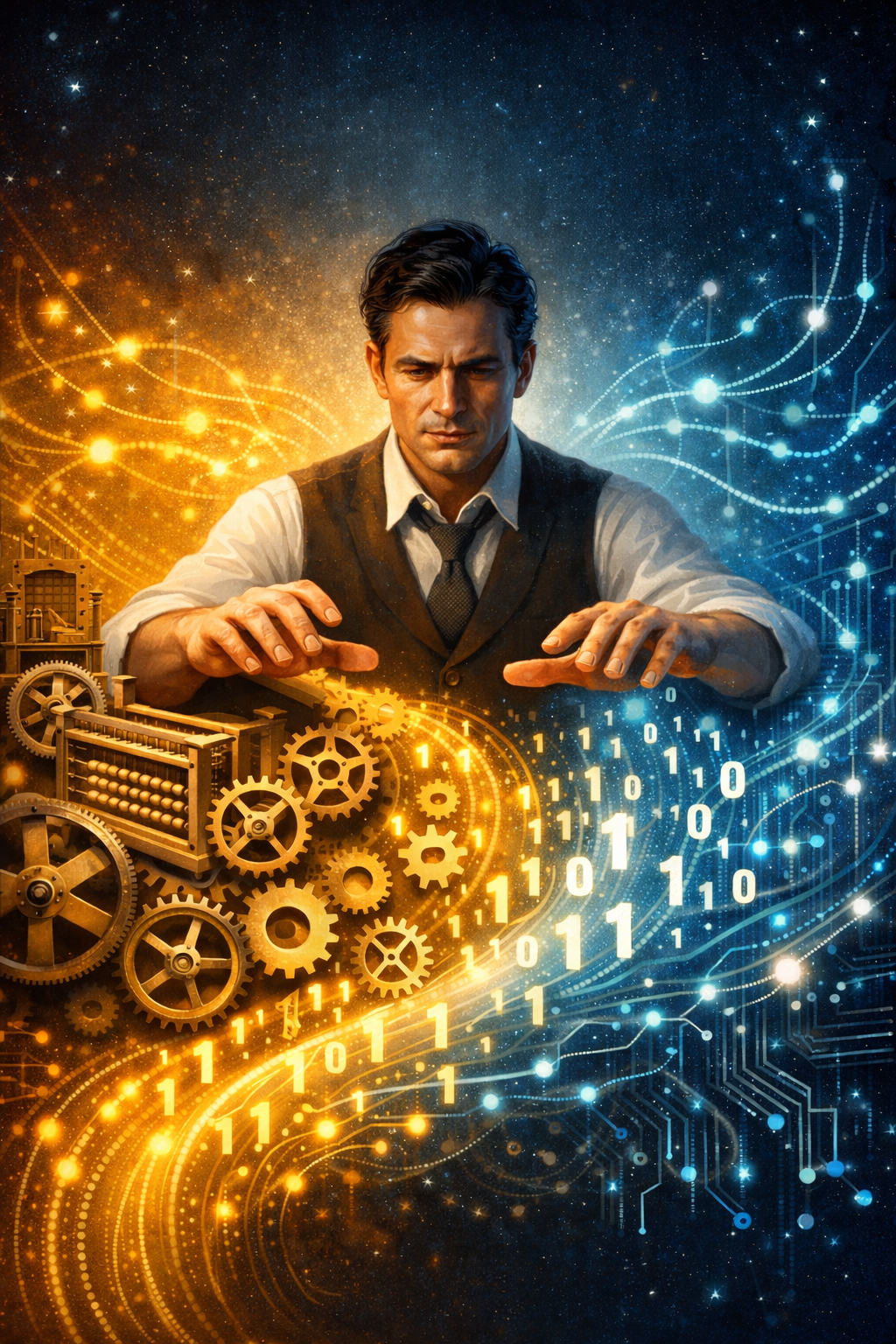
science Thinking Machines This story defines intelligence as a process, framing machines as logical extensions of human tools. These programmable collaborators externalize reasoning under our ultimate human responsibility.