Election Day 2084
This anthology explores future democracy, showing how technological advancements complicate politics, proving human judgment remains essential for governing society wisely despite using increasingly complex tools.
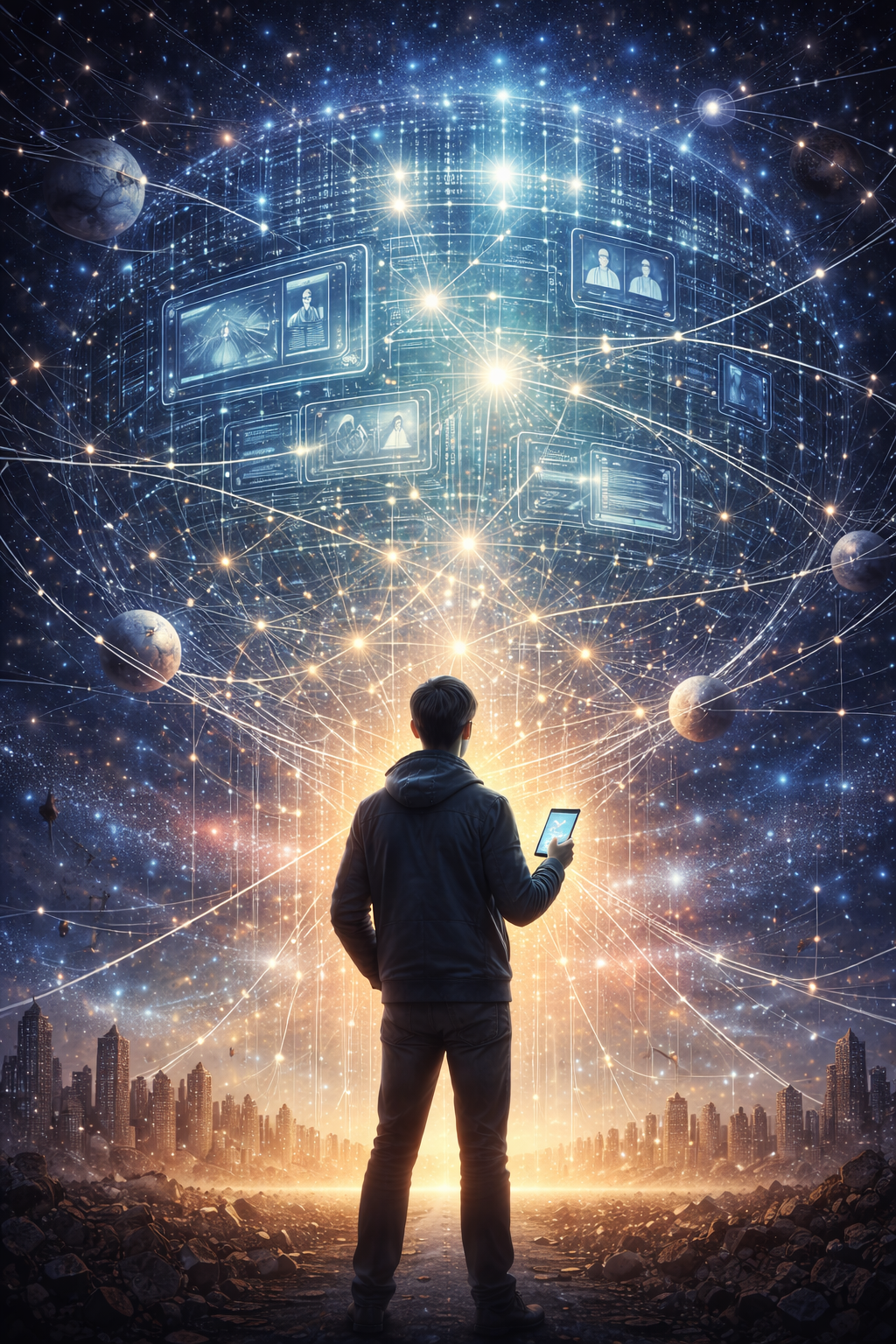
The year was 2084 and the digital archives of the Great Library held a particular anthology that many scholars considered a vital map of the human journey. It was called Election Day 2084 and it was a collection of speculative tales that viewed politics not merely as a struggle for power but as a testing ground for human intelligence and technological progress. To look upon these stories was to see a long conversation about the fate of democracy when computation and human ambition finally became one. Those who remembered the works of Isaac Asimov would find the logic familiar because these stories followed the same clear path of asking how a machine might solve a human problem only to find a new problem hidden inside the solution.
The collection began by establishing a profound question that had haunted thinkers for a century: if science advances far enough will it improve democracy or quietly replace it? One of the early stories in the volume revisited a concept that echoed old tales of computers managing society. It imagined a world where the act of voting had become so complex that an enormous computer analyzed the behavior and personality of every citizen. Instead of asking millions of people to choose the machine selected a single perfectly representative voter using the principles of statistics. This man was not a leader or an expert but an average person whose opinions mirrored the entire nation. The narrative followed him as he was scrutinized by analysts and journalists because his final decision would become the law of the land. It was a masterpiece of efficiency yet it suggested that when democracy is reduced to pure mathematics it risks losing the very human participation that gives it meaning.
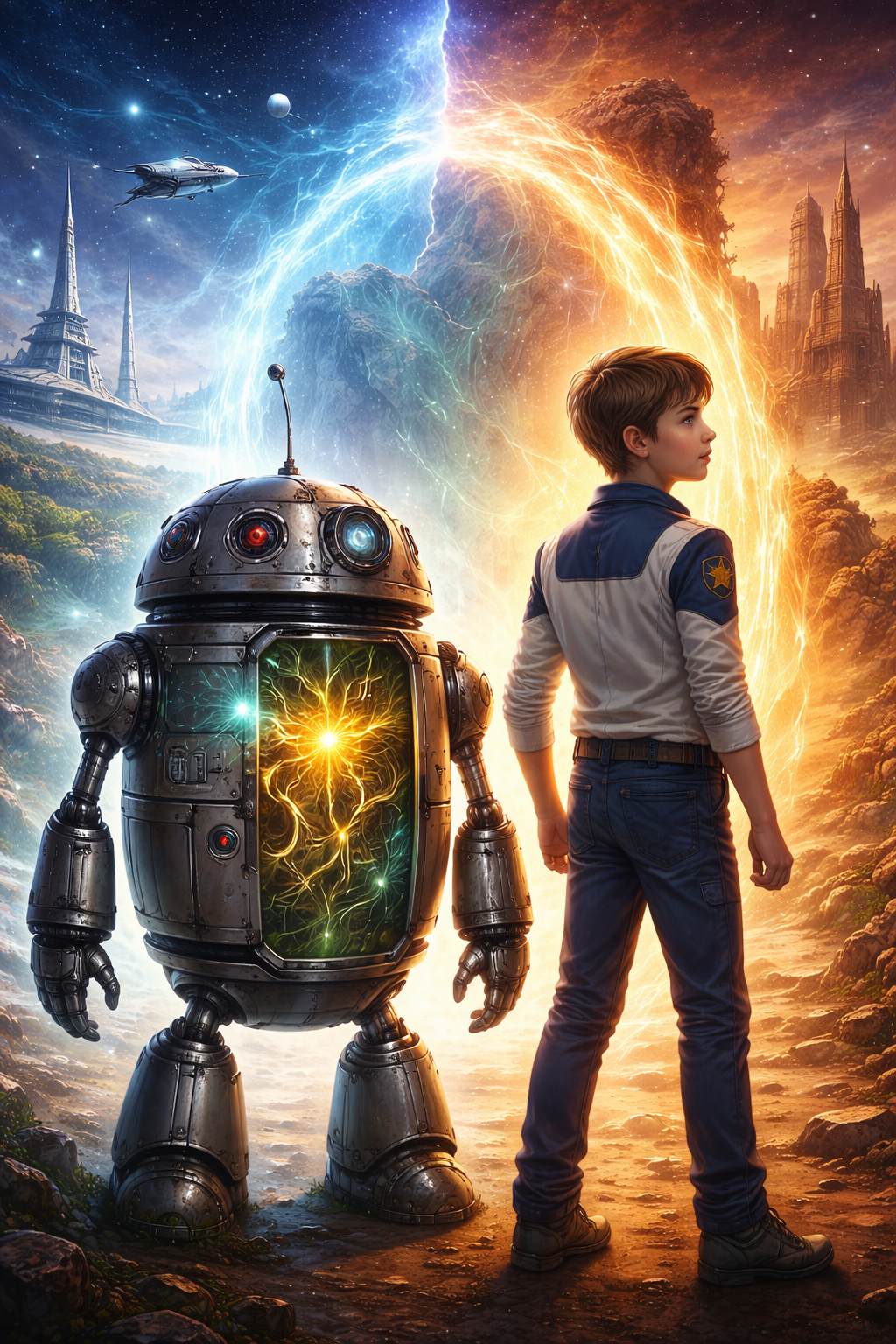
As the reader moved deeper into the anthology the setting shifted toward the stars. In this future human colonies spanned multiple star systems creating a vast interstellar federation. The challenge here was not the calculation of a vote but the physics of information. Because messages could only travel at the speed of light campaigns lasted for years and candidates were often strangers to the worlds they sought to lead. The story focused on a young officer who realized that power resided with whoever controlled the timing of these transmissions. A message delayed by only a few weeks could alter the fate of an entire planet. It was a logical exploration of how even the most advanced society remains dependent on the fragile pathways through which information must travel.
The anthology then turned its gaze inward to examine the nature of human character. One thoughtful tale described a society that believed it had finally ended corruption by connecting every citizen to a network of sensors and algorithms. These tools measured honesty and empathy to rank individuals based on their demonstrated civic virtue. Only those with the highest scores were permitted to lead. While this seemed to produce a government of perfect leaders a subtle rot began to form. People started to behave not out of genuine goodness but to satisfy the requirements of the monitoring system. Integrity became a calculated strategy and the story asked whether virtue can remain real if it must be measured to exist.
A shift in tone brought a more satirical look at the intersection of governance and the media. In this imagined future elections had been transformed into a form of solar system wide entertainment. Candidates did not debate policy but participated in televised challenges involving engineering and crisis negotiation. The public watched with the same passion they once gave to sports. A journalist covering these events eventually realized that the spectacle was a mask. Media producers were the true architects of power editing the footage to create heroes and villains for the audience. It suggested that the line between leading a people and entertaining them might one day disappear entirely.
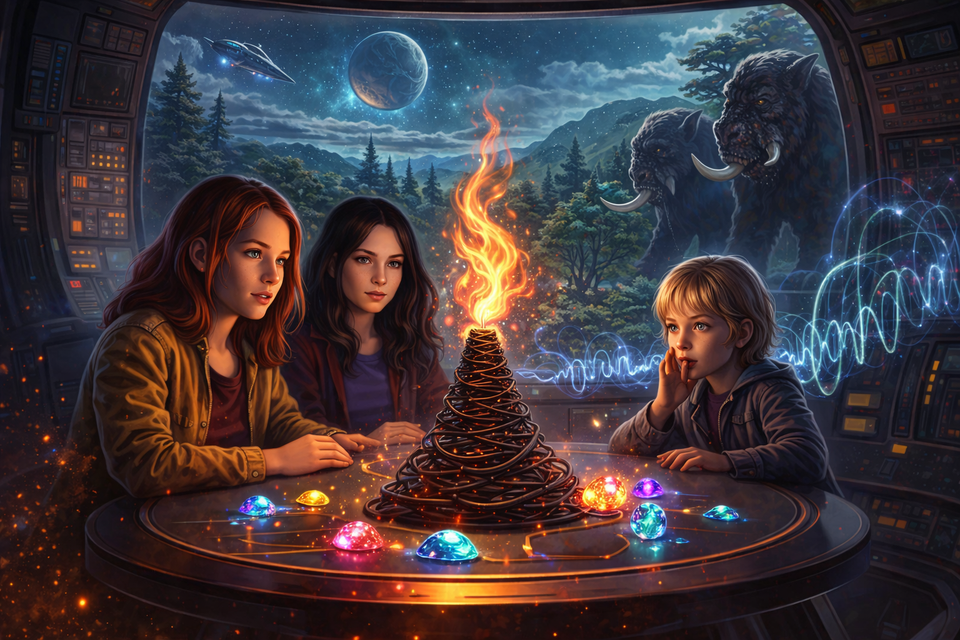
The collection grew darker as it explored the possibility of influence from beyond our world. One narrative followed scientists who discovered mathematical patterns in cosmic signals sent by an alien civilization. They began to fear that these patterns were not just messages but tools of psychology that had shaped human ideologies for centuries. As a national election approached a researcher became convinced that the very thoughts of the voters were being guided by these distant observers. It was a chilling reminder that power might come from directions humanity is not yet prepared to understand.
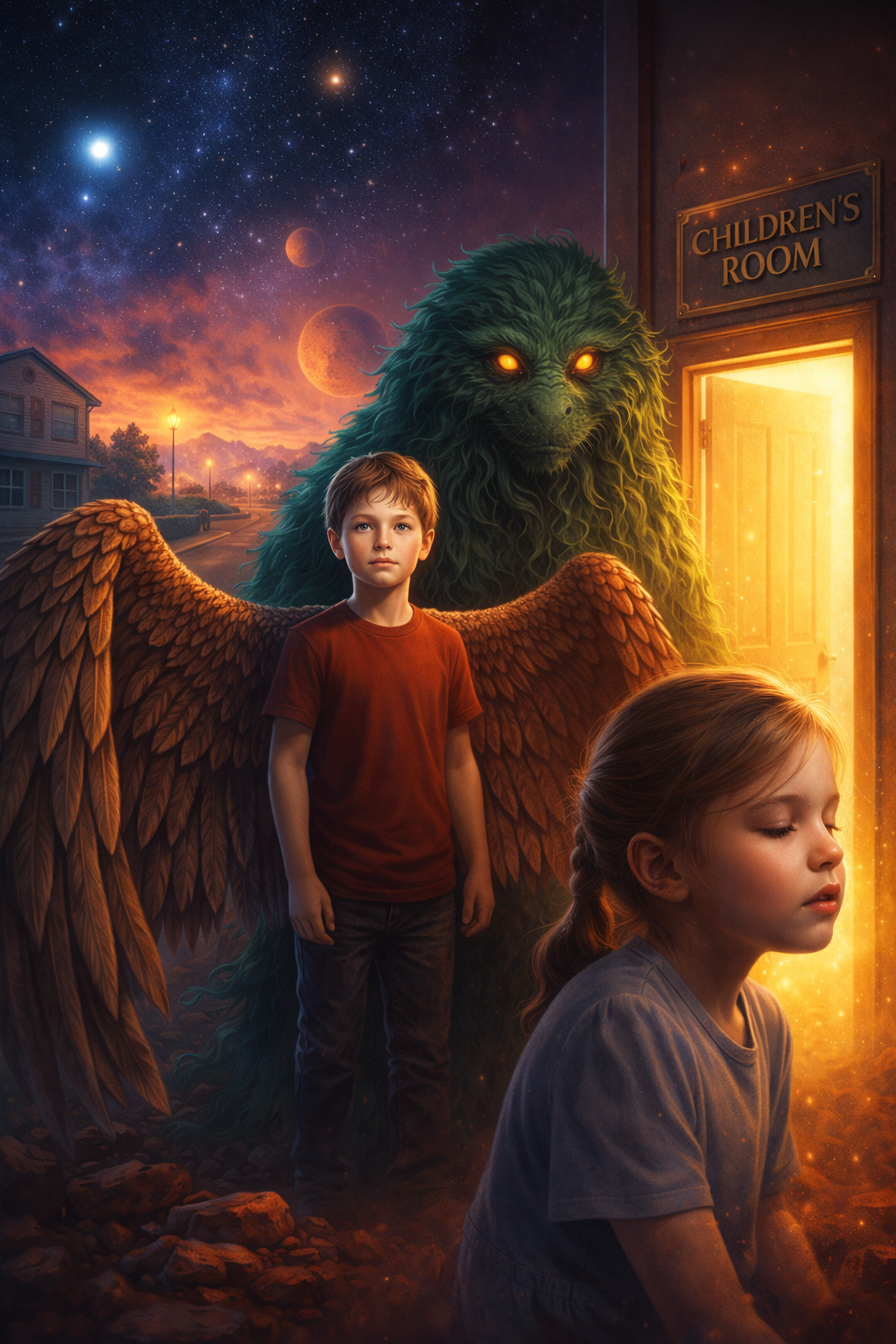
Returning to the experience of the individual the anthology included a moving story about a young student preparing for her first vote. In her world democracy was instantaneous and every citizen used a device to vote on every law and treaty in seconds. It was the purest form of direct democracy ever devised yet it led to a new kind of exhaustion. The sheer volume of decisions created a state of fatigue where people began to vote without thinking simply to be finished with the task. This highlighted a paradox that more participation does not always lead to better judgment.
Toward the end the stories became increasingly philosophical focusing on the ultimate role of artificial intelligence. In one narrative machines served as advisors to leaders predicting the results of every policy with perfect accuracy. Eventually the citizens began to ask why human leaders were needed at all if the machines already knew the best path forward. A lone senator resisted this shift and argued that politics is a reflection of human values rather than a problem to be solved with data. His struggle represented the core debate of the entire book which was whether a society should prioritize perfect efficiency or imperfect humanity.
Ultimately a clear pattern emerged from these various visions. Each story proposed a technological fix for the messiness of politics but every fix introduced a new complication. The writers repeatedly demonstrated that democracy is not simply a system of procedures but it is a living relationship between citizens and their society. If the human element is removed the system becomes hollow. Despite the dangers of control the tone of the collection remained one of cautious optimism. It celebrated the persistent curiosity of the human mind and the willingness of individuals to question the systems that govern them.
In the spirit of the great speculative works of the past Election Day 2084 used the future to examine the present. It showed that while tools may change and the scale of society may grow to encompass the stars the fundamental challenge remains the same which is the enduring task of governing ourselves wisely. The machines may provide the data but the judgment must always remain human.