Isaac Asimov Presents the Best Science Fiction of the 19th Century
This is a sterling, entertaining anthology of finest stories handpicked from the 19th century, marking the birth of modern science fiction.
The great task of gathering the finest works of the ablest writers of the 19th century that marked the beginning of modern science fiction was undertaken by Isaac Asimov,, resulting in this intriguing and totally entertaining anthology. For us, viewing this collection in retrospect, it is clear that these authors were laying the foundational structures for the literature that would follow, exploring the critical theme of the human response to rational changes in science and technology.
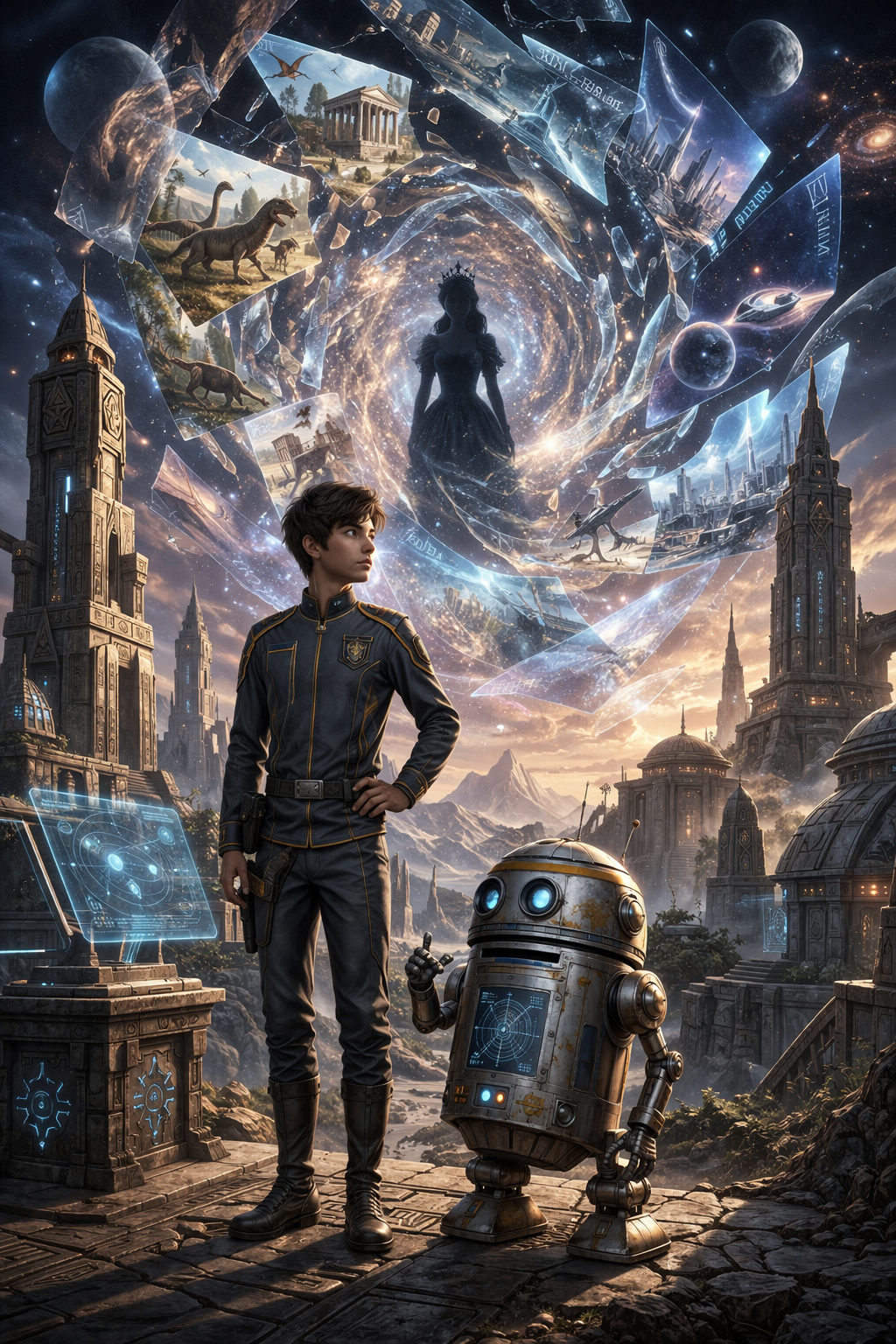
The collection begins by establishing the context for this field's "birth," arguing that only in the 19th century, with the speed of industrial change becoming rapid enough to be observable within a single lifetime, could true science fiction exist. The assembled tales serve as powerful precursors to the themes that would dominate the 20th century.
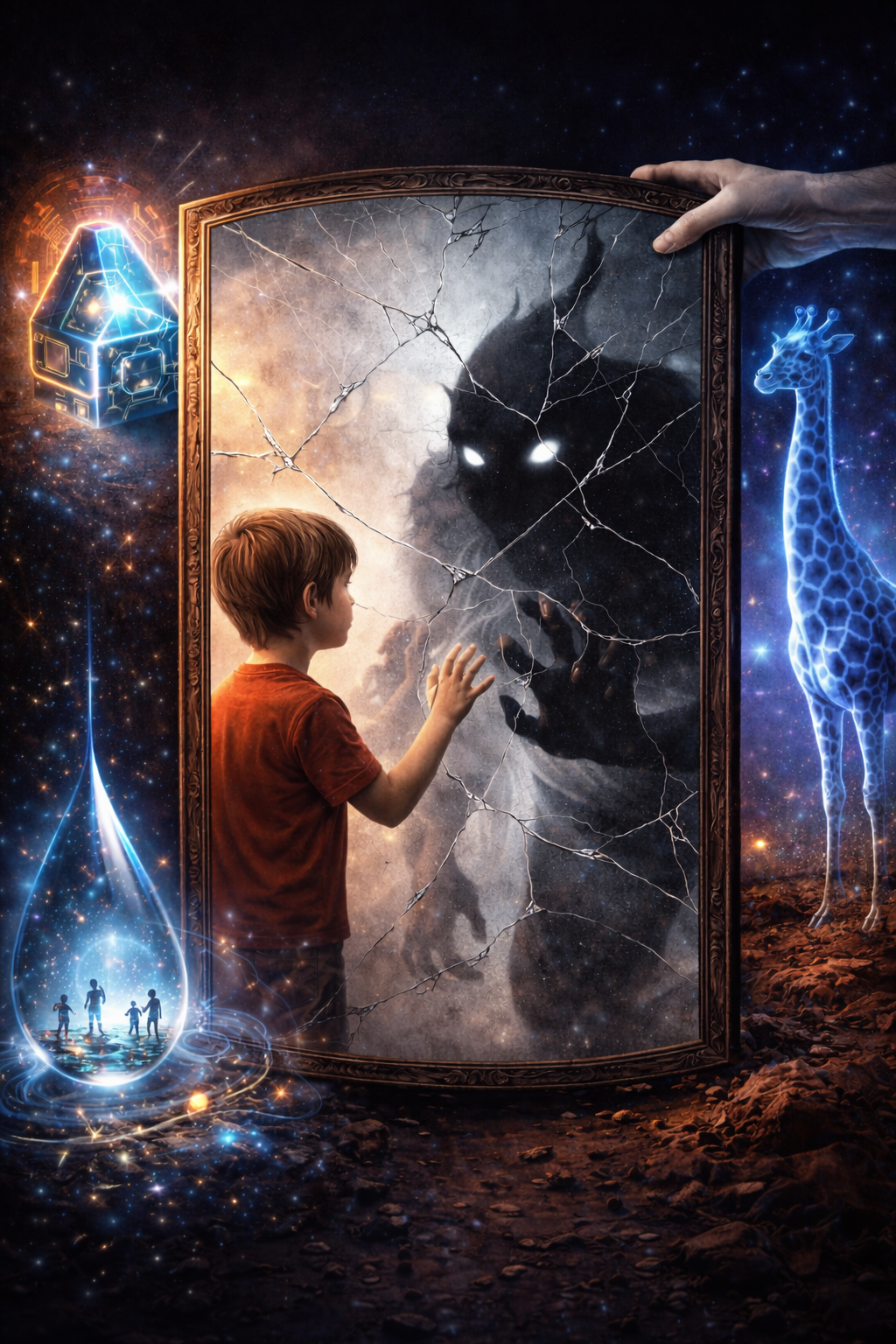
In E.T.A. Hoffmann’s foundational text, “The Sandman,” the narrative builds from a deep, crippling childhood fear concerning an ominous figure, leading inevitably toward a confrontation with the terrifying nature of humanoid automata and profound psychological distress. Following this, Mary Wollstonecraft Shelley, often noted for having written the first true science-fiction tale (Frankenstein, 1818), offers “The Mortal Immortal,” which develops from the accidental attainment of everlasting life. This builds toward the ultimate sorrow of a man forced to watch his world decay, including the aging of his beloved wife, leading to a long, enduring solitude.
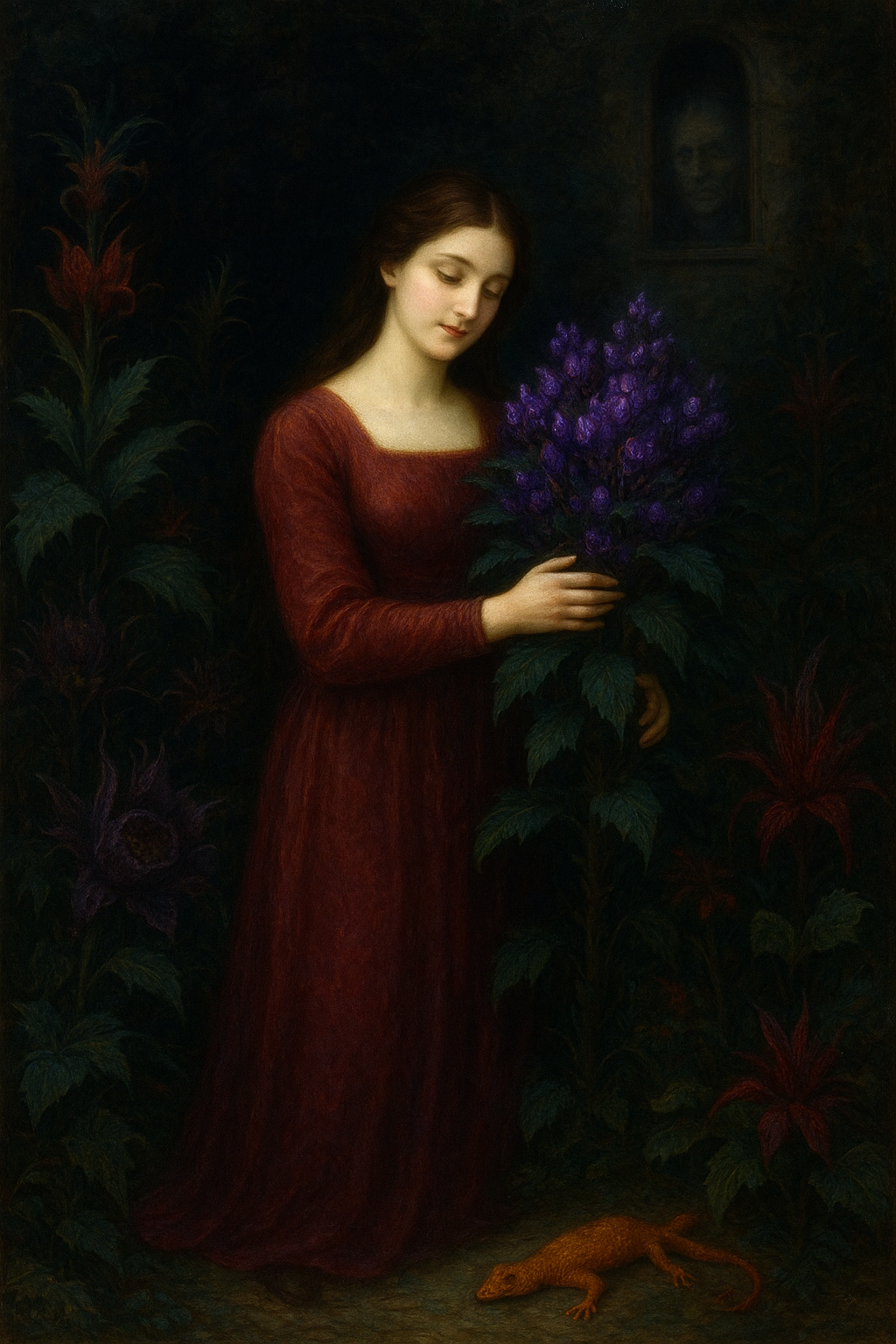
Edgar Allan Poe provides “A Descent Into the Maelstrom,” which functions as an intense "problem story". The tale is structured around a survivor recounting his terrifying experience caught within a colossal, natural vortex, leading readers to witness how intellectual observation and acute scientific analysis become the only means of rescue from inevitable natural disaster. Nathaniel Hawthorne continues this exploration of the scientific and the human with “Rappaccini’s Daughter,” where the story builds upon the curiosity of a young student captivated by a doctor and his daughter, Beatrice, whose life is interwoven with exotic and potent plant poisons. This intense study progresses, leading tragically toward a horrifying moment of scientific hubris and a fatal test of love and corrupted innocence.
A pivotal precursor of time travel is found in Edward Page Mitchell's “The Clock That Went Backward,” a narrative centered on an antique timepiece that runs in reverse. This strange mechanism precipitates an unexpected journey into a crucial historical moment—the siege of Leyden—leading two students to understand the strange, woven relationship between past, present, and future. Robert Duncan Milne’s “Into the Sun” begins with a timely scientific discussion concerning a comet destined to strike the sun. This theoretical build-up quickly transforms into a global disaster tale, leading to a frantic aerial escape and chilling speculation about the survival of the human species against overwhelming solar heat.
Frank R. Stockton offers a lighter, whimsical tone in “A Tale of Negative Gravity.” The story builds upon an inventor's successful creation of a repellent force that can eliminate weight, often referred to as Negative Gravity. This builds toward the ultimate consequence of recognizing the personal and social dangers inherent in his uncontrolled technological breakthrough. Guy de Maupassant’s “The Horla” provides a deep psychological horror, building from a man’s overwhelming anxiety, sleep paralysis, and the unnerving realization that unseen forces are interacting with tangible reality (such as drinking his water or turning pages). This descent leads toward the terrifying conclusion that a superior, parasitic being, the Horla, has arrived to dominate humanity, compelling the protagonist to resort to a final, desperate act of annihilation.
J.-H. Rosny ainé’s “The Shapes” takes us back to a prehistoric, Edenic setting, building upon the sudden and devastating conflict between early human tribes and mysterious, inorganic silicon aliens, the Xipehuz. This struggle leads a visionary leader, Bakhun, to apply disciplined observation (the scientific method) to discover the enemy's singular vulnerability, enabling humanity to survive against extinction. Edward Bellamy’s “To Whom This May Come” explores profound societal implications, building from a traveler’s shipwreck on an archipelago inhabited by a race of natural mind-readers. This encounter leads to a deep philosophical appreciation of a society where the inherent transparency of thought eradicates insincerity and ensures perfect justice and companionship, highlighting the unique loneliness of minds relying solely on faulty spoken language.
Sir Arthur Conan Doyle’s contribution, “The Great Keinplatz Experiment,” develops from a professor’s audacious theory concerning the separation of the soul from the body during mesmerism. He attempts to prove this alongside his pupil, but the experiment leads to a catastrophic, yet temporarily unnoticed, exchange of consciousness and personality, resulting in great confusion and social upheaval among the participants. Finally, H.G. Wells provides “In The Abyss,” a story built upon the perilous endeavor of lowering a man into the deepest, most pressurized parts of the ocean in a spherical vessel. This exploration leads, not to empty darkness, but to the startling discovery of a functional society of intelligent, quasi-human, aquatic vertebrates that have adapted to the lightless, high-pressure environment.
Two later entries, “The Lizard” by C.J. Cutcliffe Hyne, and “A Thousand Deaths” by Jack London, conclude the collection. Hyne’s tale builds from a cave exploration that accidentally resurrects a massive, armored prehistoric saurian, leading the narrator into a terrifying, visceral fight for life against the monstrous creature. London’s story develops from the accidental attainment of immortality by a character's attempt to use an elixir of life. This rescue sets the stage for the horrifying escalation of the father’s biological research, where the son becomes the unwilling subject for repeated experiments in death and resurrection. This terrible training leads the son toward an ultimate, calculated act of scientific self-preservation and escape, utilizing a newly discovered molecular disintegrative force.
These stories, spanning the 19th century, clearly demonstrate their role as foundational texts, moving from the purely psychological to the truly scientific, showcasing the burgeoning power of human intellect to predict, survive, or even create, monumental change.