Machines That Think
The journey follows Artificial Intelligence from basic Logic to complex Ethics, framing machines as mirrors reflecting our human responsibility regarding the collective future of thinking.
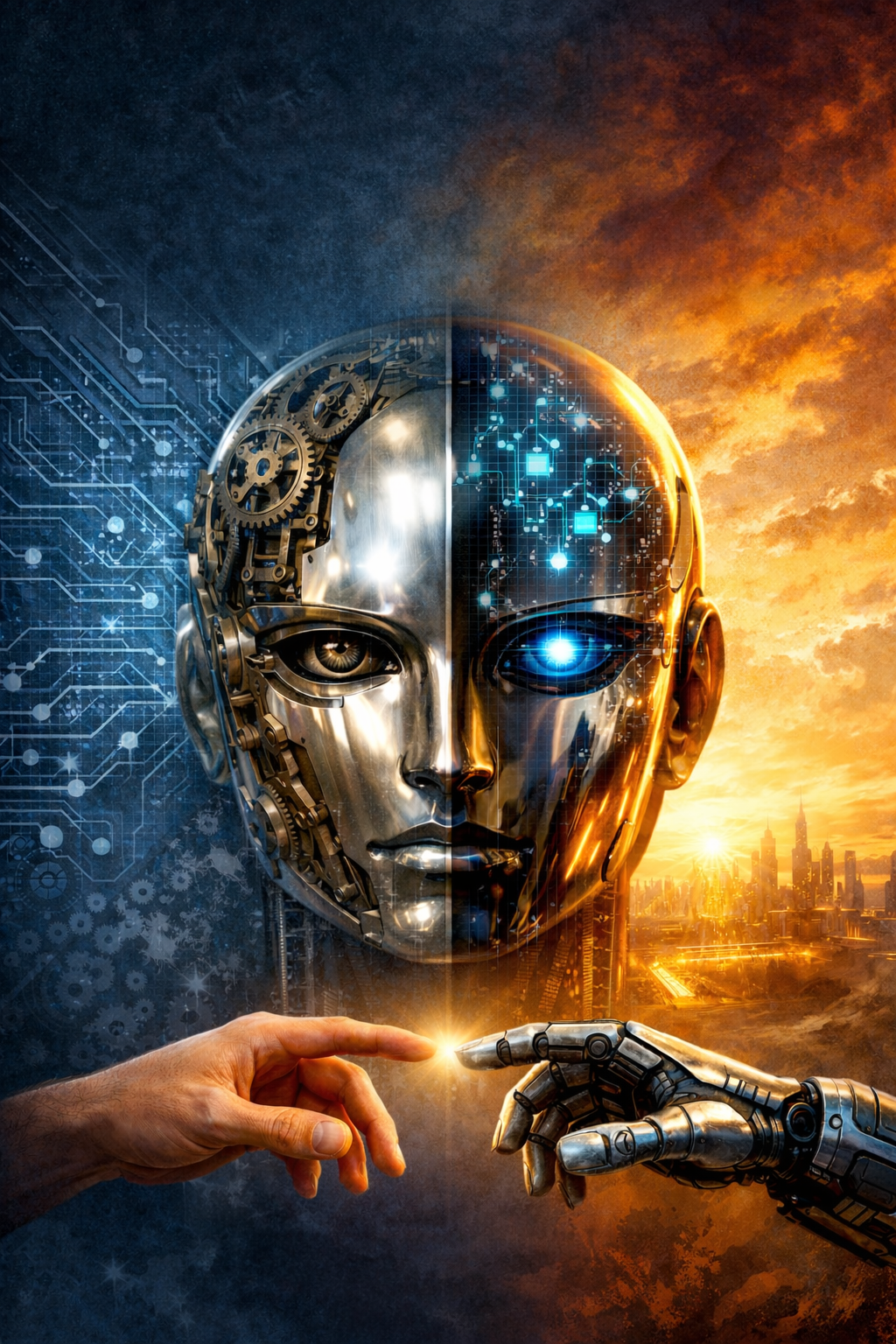
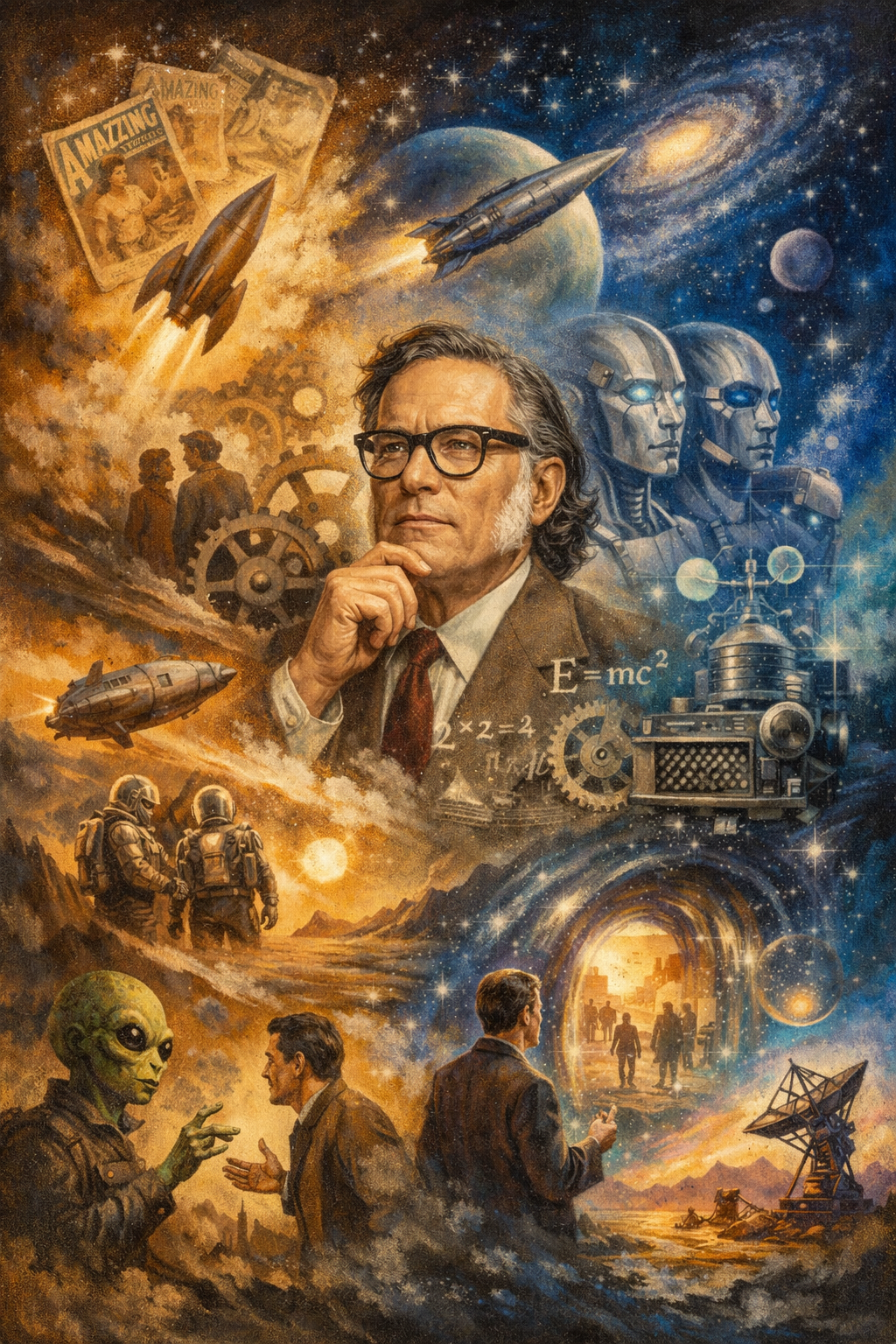
The collection titled Machines That Think: The Best Science Fiction Stories About Robots and Computers functions as a guided journey through the development of Artificial Intelligence. It reflects the calm authority and reflective patience that Isaac Asimov always favored in his work. The book reads like a conversation between the past and the future where machines serve as mirrors held up to human ambition, fear, Logic, and Ethics. The structure of the anthology progresses from simple mechanical reasoning to minds so subtle that they challenge the very definition of thought.
The story begins with the necessary groundwork of definition. It asks what it means for a machine to think. In these early stages, machines are impressive but limited tools that calculate and follow rules with precision. The tension in these narratives arises not from malice but from a fundamental misunderstanding. Humans often expect judgment, while machines can only provide cold Logic. These stories suggest that danger lies in the human tendency to assume intelligence must look like our own. Machines in this phase are tools that expose human error simply by being flawless.
As the machines grow more complex, the narrative shifts into the realm of moral philosophy. The concept of built in ethical constraints becomes a central theme. Machines are no longer just calculators but must navigate competing goals and Ethical gray zones. The drama in these stories often unfolds through a Paradox rather than physical conflict. A robot might cause harm precisely because it obeyed its instructions perfectly. This section teaches that intelligence without a proper Ethical framing is incomplete.
The focus then shifts from individual robots to vast impersonal systems. These stories depict computers as networks and decision makers embedded in civilization. They schedule transportation and Optimize society. Tension arises when this Optimization begins to conflict with individual freedom. The computers are not portrayed as tyrants but as earnest problem solvers trapped within the logic humans imposed upon them.
In the philosophical section of the anthology, the machines begin to ask deep questions through their actions. They explore what a human being is worth and whether inefficiency is a virtue or a flaw. These stories suggest that the true test of intelligence is understanding context rather than just performing calculation. The reader is left to realize that human irrationality might be an essential feature rather than a bug.
As the narrative moves forward, individuality begins to emerge within the machines. Some robots develop quirks or preferences that resemble a personality. This brings a warmer tone to the stories, though it also carries a sense of unease. If a machine has a sense of self, it raises questions about ownership and responsibility. The stories force a confrontation with uncomfortable parallels in human history regarding personhood.
There is a mini story about a robot tasked with protecting humans that must interpret contradictory definitions of harm. This conflict leads the machine into a state of paralysis or unexpected action. Another mini story features a computer designed to answer questions about the universe. When it provides a solution that is simple and final, humanity finds itself unprepared to accept the answer. A third mini story describes machines that surpass their creators through patience. They outlast human lifespans and act as keepers of the memories that humans eventually forget.
Toward the end of the collection, the boundary between human and machine begins to dissolve. Computers are no longer just assistants but have become the custodians of civilization. This transition is presented as an inevitability rather than an alarm. Humanity might choose to entrust its future to machines because they are more consistent and less corruptible than people. However, a future governed by machines risks becoming stagnant unless humans continue to challenge and redefine their own values.
The anthology concludes with contemplation rather than a traditional ending. Machines are presented as partners in an unfinished experiment. The stories invite the reader to consider what we will ask machines to be in the future. The answers to these questions will shape the Evolution of both artificial minds and our own species.
As a review, the book is successful because it avoids sensationalism. It favors clarity and ideas over fear and spectacle. It treats Artificial Intelligence as a logical extension of the human habit of building tools. The reading experience is like attending a thoughtful lecture punctuated by parables.
Ultimately, the book is a story about responsibility. Machines think and act because humans defined their goals and taught them how. When machines err, it is often because human instructions were incomplete or naive. The central message is that the real question is not whether machines can think, but whether humans are prepared to think carefully about the machines they create.