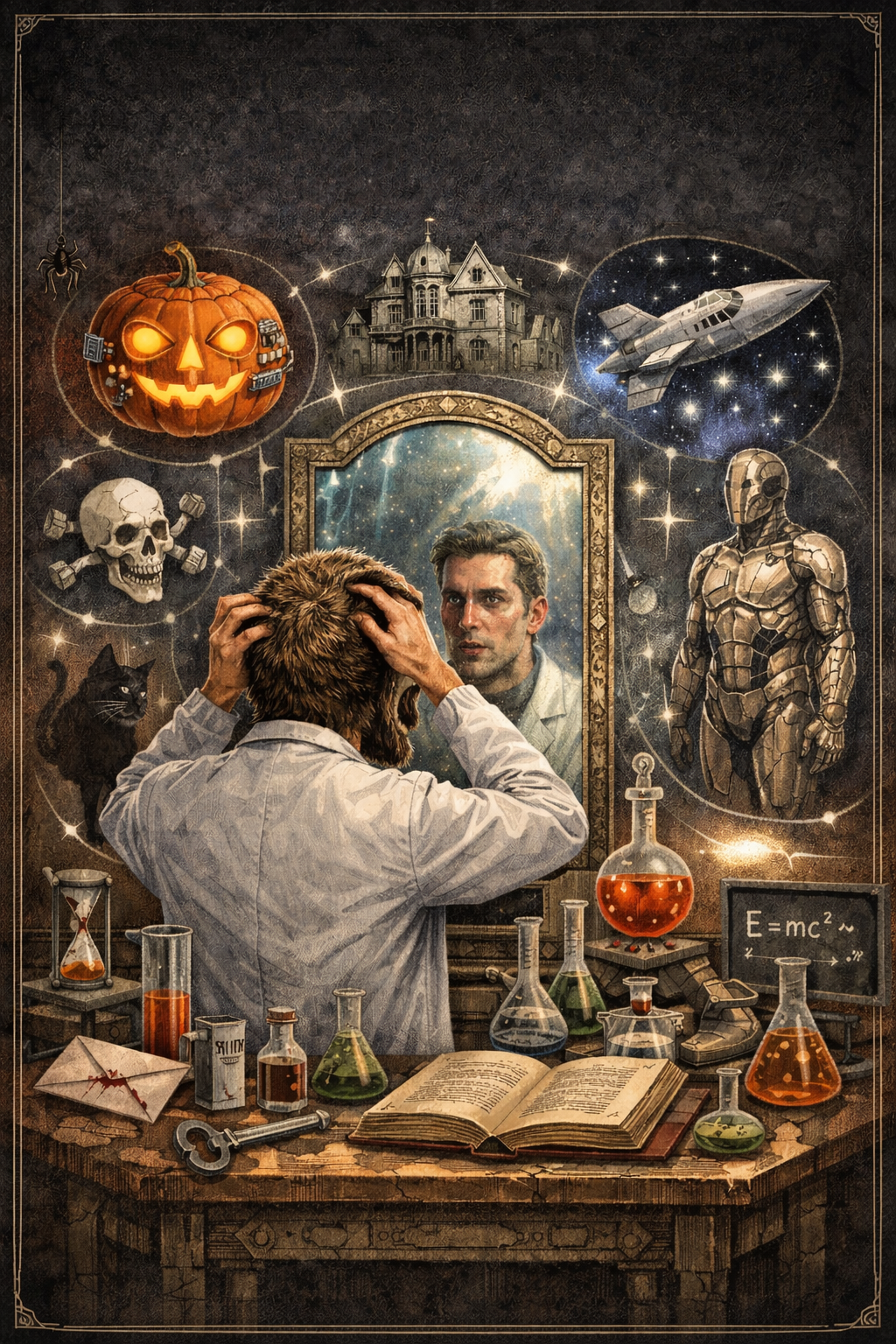
Murder on the Menu
Asimov treats murder as applied science, showing how logic and chemistry turn civil dining into lethal traps within the fragile trust of our daily lives.
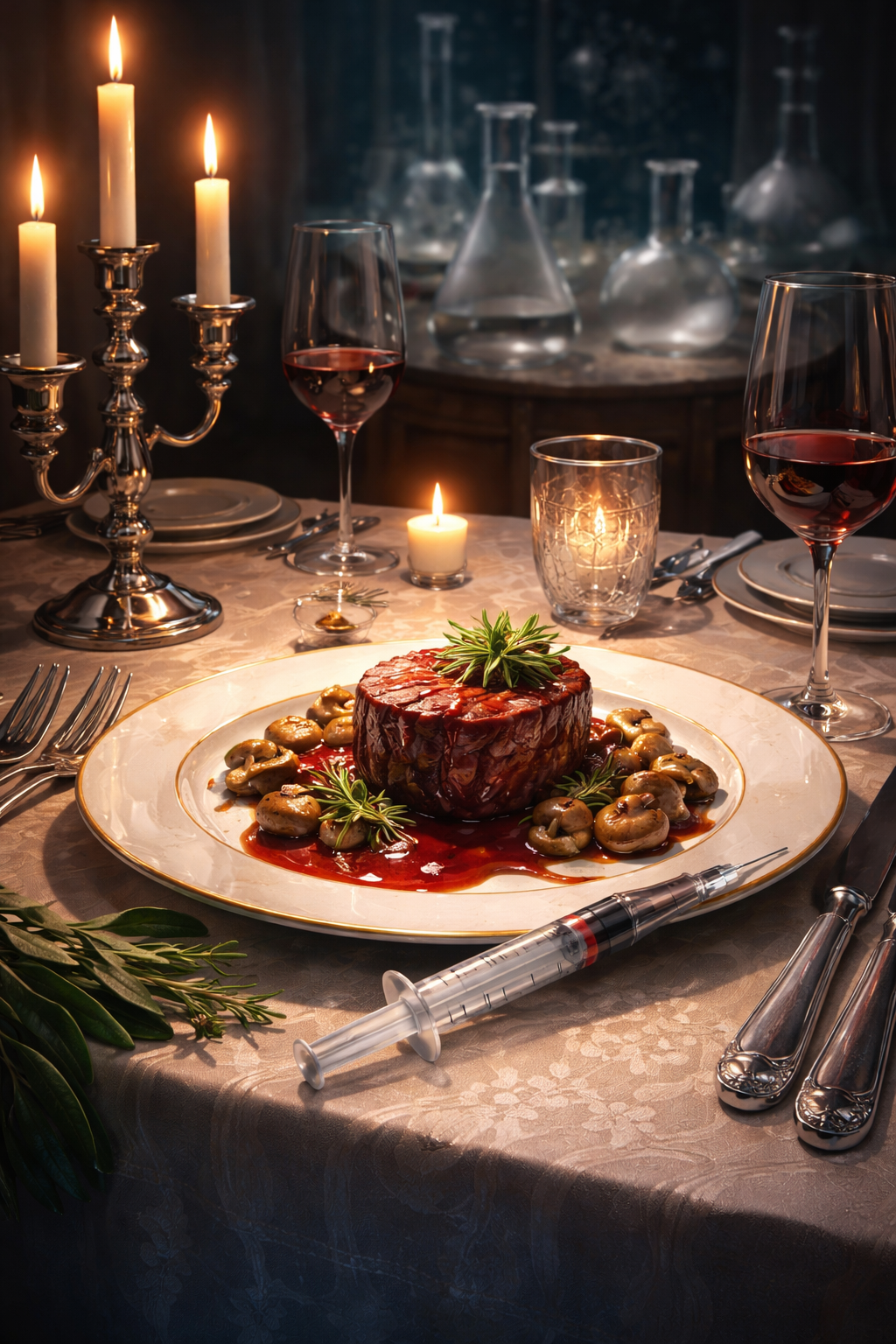
Murder on the Menu is not a single locked room puzzle but a banquet of crimes arranged course by course where each dish proves that the refined pleasure of eating is also one of the most dangerous activities in civilization. The book unfolds like a dinner party hosted by logic itself. There is civility on the surface with conversation and cutlery, but beneath the linen and silver is the truth that human beings are rational animals only when it suits them. Food touches instinct, and that is where rationality often slips. The framing intelligence of the book is clearly that of a master of applied science, as the narrative does not rush. It introduces the idea that murder is like cooking. Both require timing, preparation, a knowledge of chemistry, and an understanding of human expectation. Poison, heat, contamination, and substitution are culinary terms before they are criminal ones. The book invites the reader to consider how many deaths could occur at a table without anyone ever needing to raise their voice.
The opening stories establish the theme gently. A meal is prepared with care and tradition, and that is precisely why it becomes lethal. In one tale, the murder hinges not on an exotic toxin but on the predictable habits of the victim. The victim eats the same dish at the same time in the same way, and the killer merely adjusts a variable already present. Intelligence here is defined as the act of noticing what everyone else ignores. Nothing new is introduced and nothing dramatic occurs because the crime succeeds when the world behaves exactly as it always has. This logical progression is a hallmark of a writer who understands that the truth is often hidden in plain sight.
Another story turns the restaurant into a laboratory where the kitchen staff become unwitting accomplices. Heat alters chemical compounds and storage times matter. A harmless ingredient becomes dangerous only when combined, and the murderer counts on the fact that no one at the table understands the science well enough to ask the right questions. The narrative pleasure lies in the delayed revelation. The reader must wait for the post mortem and the analysis of the numbers. The truth is not hidden but is merely unread by those without the proper training. This reflects the perspective of a creator who spent much of his life exploring biochemistry to explain the world around him.
Midway through the book the tone sharpens into confrontations between intelligence and arrogance. In one story, a gourmand prides himself on a refined palate and the ability to detect any impurity. This confidence becomes the handle by which the murderer lifts him. The danger is masked by subtlety rather than strength by exploiting the victim's belief that a threat must announce itself. The lesson is that expertise without humility is a liability. Other stories take place in domestic spaces where kitchens are extensions of family life and murder becomes intimate. A spouse might prepare a final meal or a relative might serve a cherished recipe. The emotional weight is heavier, but logic never allows sentiment to overwhelm the facts. Love does not cloud the truth but merely complicates the motive. One story resolves with the realization that the murderer did not act out of rash hate but cared enough to plan meticulously.
As the collection progresses, there is a touch of humor regarding ironic deaths caused by health obsessions. In one story, a victim's fear of certain ingredients becomes the very channel through which death arrives. The killer only needs to promise safety to a victim who follows pseudoscience and unexamined beliefs. Another story revolves around substitution where a perfect meal is served to the wrong person. This reminds the reader that identity is often assumed rather than verified. In a world of routines, a small administrative error can be fatal. The resolution comes from social observation of who sits where and who eats first because civilization runs on habit.
Toward the end the stories grow more reflective. One tale questions whether murder can occur without intent. If someone knowingly serves food they suspect is harmful but never confirms it, the responsibility becomes a difficult question. Knowledge is never neutral, and to suspect is already to participate. The final pieces are described as a dessert with a sting. One story ends with a detective realizing that a crime cannot be proven without destroying an innocent person's reputation. Justice must remain theoretical in this case. The universe is rational, but it is not sentimental, and society does not always have the tools to act on the truth.
Ultimately the book is a thought experiment on the fragility of the trust that allows us to eat food prepared by others. The antidote to fear is not suspicion but knowledge of chemistry, habit, and human nature. In this world, murder is an intellectual exercise where blood is rarely seen and screams are unnecessary. Death arrives politely and the solution feels inevitable. The lasting pleasure of the book lies in clarity. You close it feeling slightly wiser and aware that the most dangerous things in life are the ones we do every day without thinking, like sitting down to dinner.
Summaries of the Stories
The Habitual Diner story involves a victim with a very rigid daily routine. Because the victim never changes his eating habits, the killer is able to succeed by making a small change to a variable that was already part of the victim's daily life. The solution relies on the intelligence of noticing these small, overlooked details.
The Kitchen Laboratory story focuses on the scientific properties of food preparation. It shows how the application of heat and the length of storage can transform safe ingredients into dangerous ones. The crime is solved through forensic science and the careful reading of data that the diners did not understand.
The Arrogant Palate story features a victim who is a food expert and believes his senses are perfect. The murderer uses this arrogance against him by providing a subtle threat that the victim assumes he would have caught if it were real. It demonstrates that being an expert can make a person vulnerable to subtle traps.
The Meticulous Spouse story takes place in a home kitchen and focuses on the intimacy of a crime committed by a loved one. The murder is planned with such care and calm that it becomes more chilling than a crime of passion. It shows that deep care for a person can lead to very precise and logical planning.
The Safety Promise story mocks the use of pseudoscience and health fads. The victim is so afraid of specific food contaminants that they trust anyone who promises them a safe alternative. The killer uses this fear to deliver the fatal dose under the guise of health.
The Wrong Chair story is about a substitution error at a dinner table. A perfect meal is prepared, but it is delivered to the wrong person because of an assumption about where people were sitting. The solution comes from observing social habits and the way people interact in a civilized setting.
The Suspicious Server story explores the morality of serving food that might be dangerous. It examines the idea of intent and whether a person is guilty if they have a suspicion but do not act to confirm it. It suggests that once you have knowledge, you are part of the situation.
The Theoretical Justice story features a crime that is solved by a detective who chooses not to reveal the truth. Proving the crime would cause too much damage to an innocent person's life. It presents a world where the truth is known but the practical application of justice is complicated by social reality.