The Hugo Winners, Volume IV
This collection explores the evolution of science fiction from mechanical wonder to complex psychological and philosophical inquiry through award winning stories.
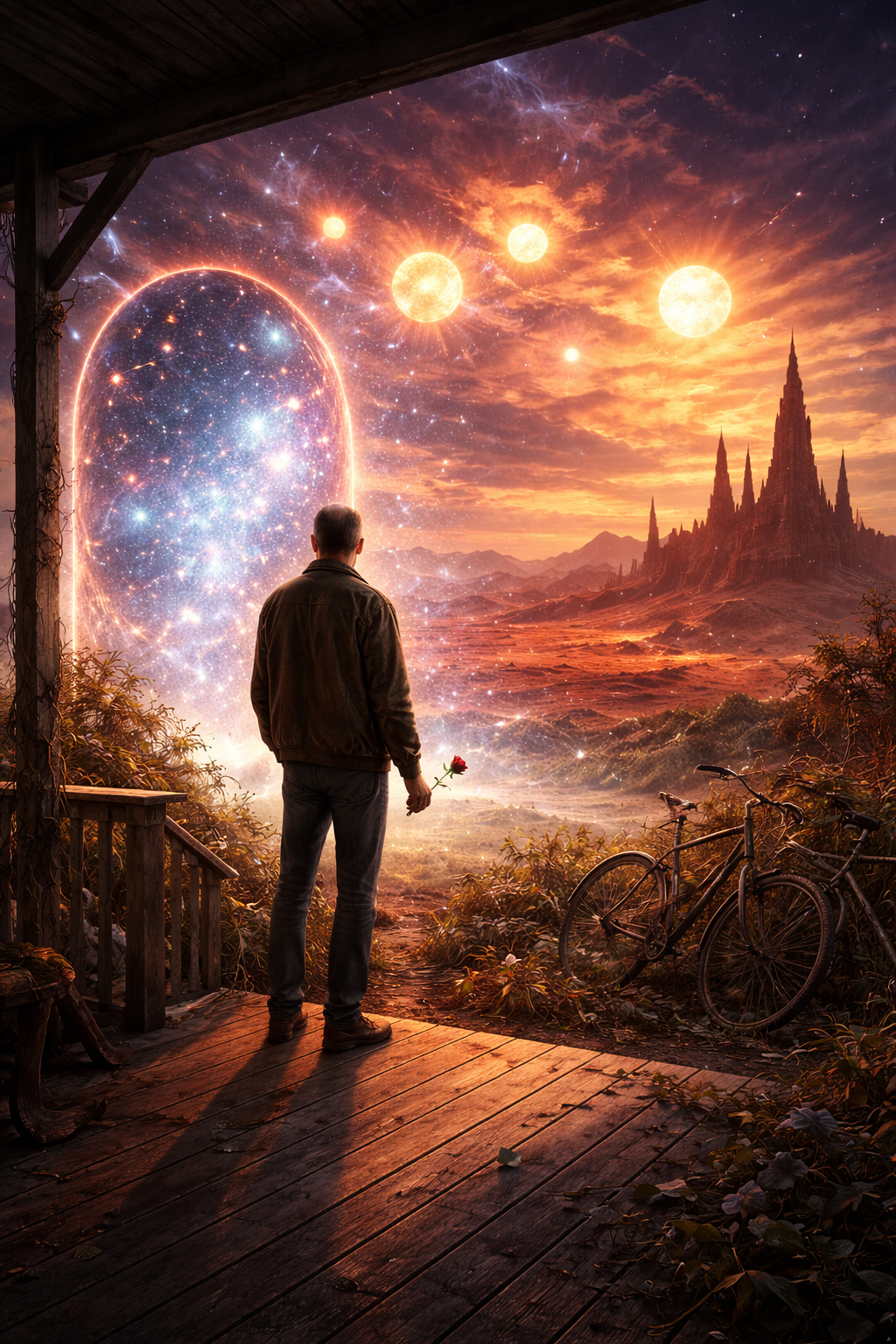
The Hugo Winners, Volume IV, edited by Isaac Asimov, represents a historical journey through the evolving imagination of science fiction. Asimov acts as a guide, shaping the collection into a narrative that charts how the genre matured from simple speculation into deep psychological, social, and philosophical exploration. Each story contributes to a continuous conversation about the place of humanity in a changing universe. The volume serves as a record of how we have used our reason and imagination to confront the unknown.
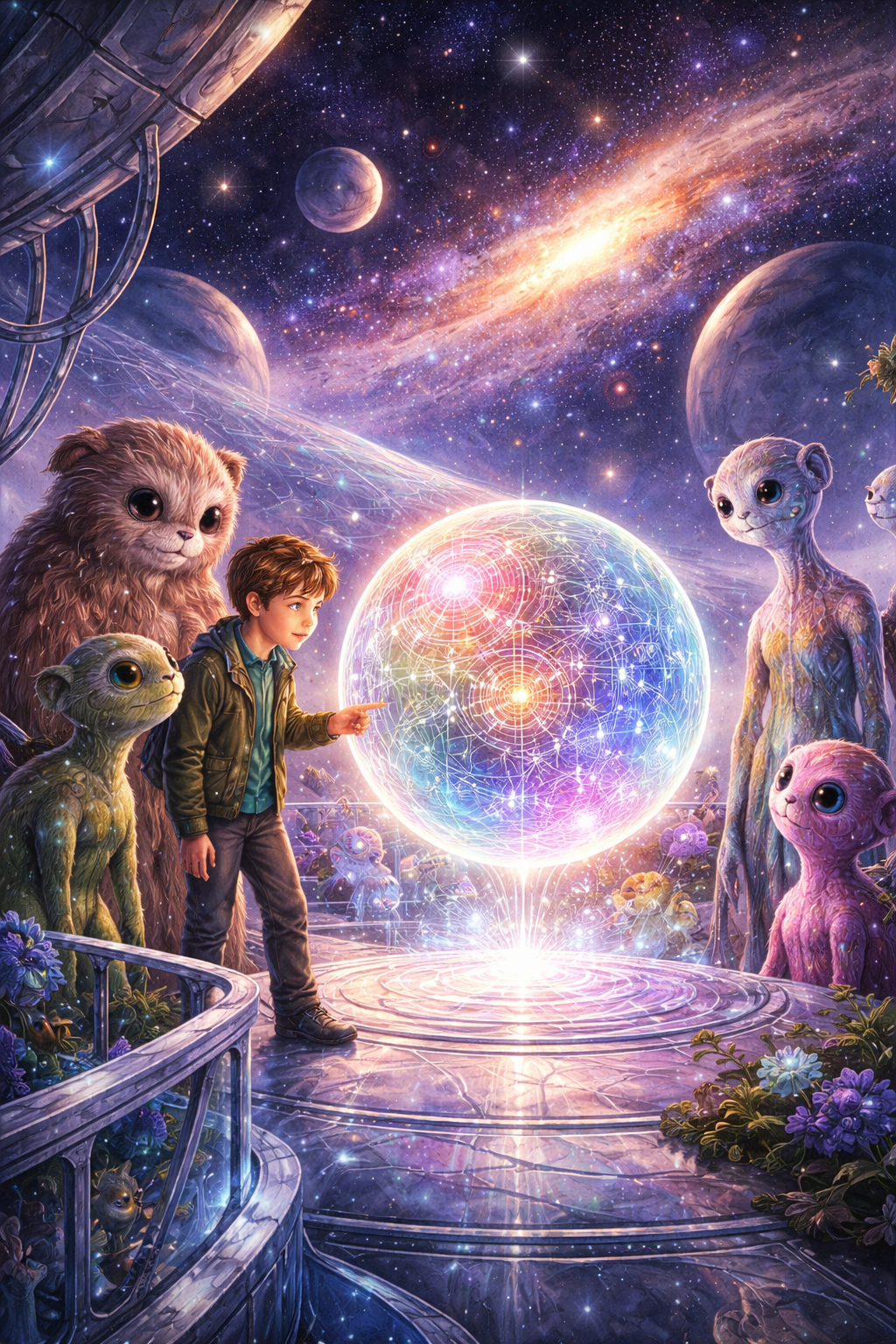
The journey begins with The Big Front Yard by Clifford D. Simak, a story that prioritizes wonder over conflict. It follows a handyman named Hiram Taine who discovers his yard has become a gateway to other worlds. This narrative focuses on the concept of first contact as a peaceful event driven by hospitality and curiosity. Simak suggests that the universe is not a place of hostility but a vast area waiting for human understanding. It acts as a bridge, carrying the optimism of older stories into a more thoughtful era.
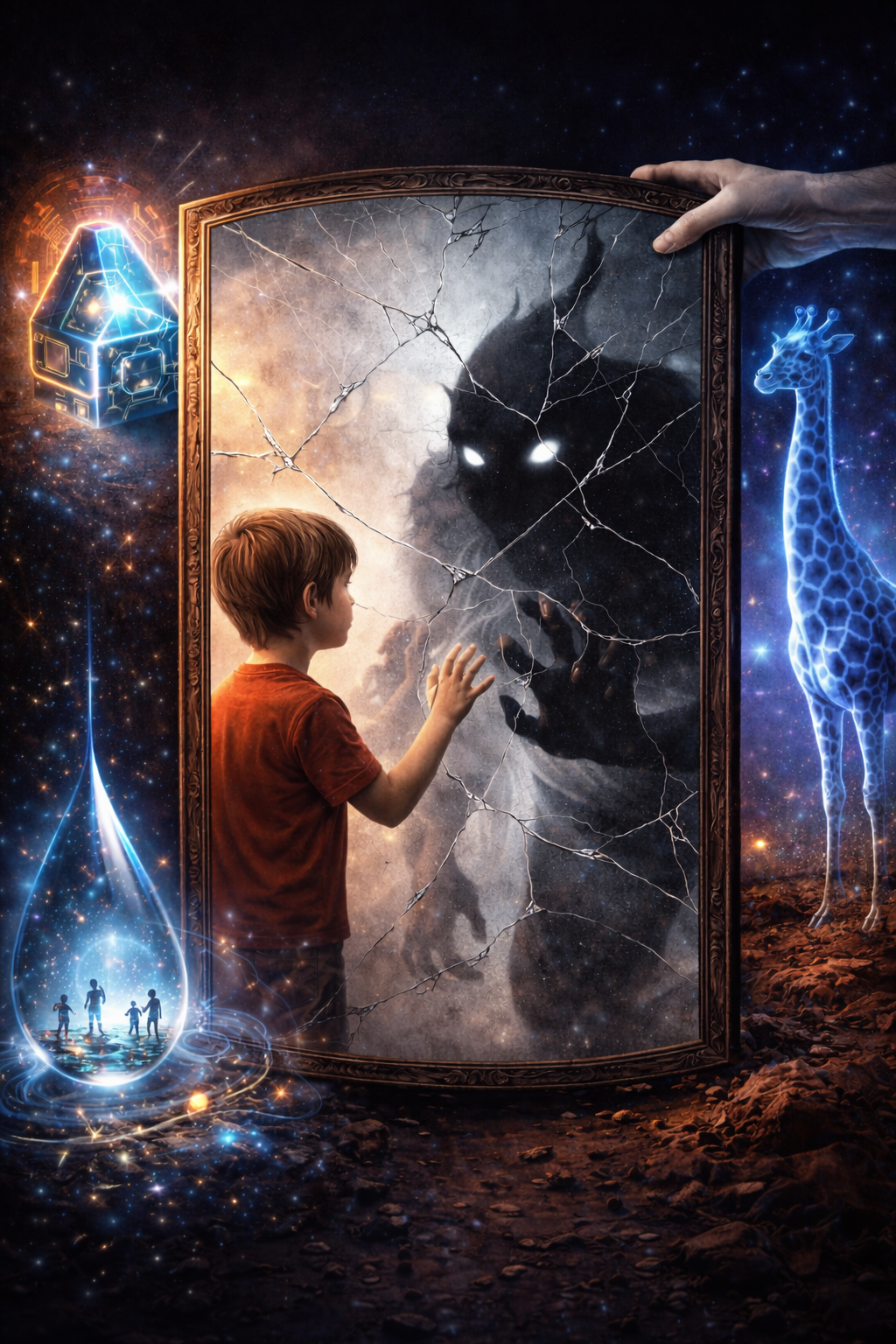
The focus then moves inward with Flowers for Algernon by Daniel Keyes, which explores the depths of the human mind. Through the reports of Charlie Gordon, we witness an experimental attempt to increase intelligence. The story highlights that gaining knowledge also brings an awareness of loneliness and ethics. It asks whether a higher intellect truly leads to happiness, treating science as a mirror for our own humanity. This shift toward internal tragedy shows how the genre began to tackle complex emotional themes.
Poul Anderson continues this exploration in The Longest Voyage by looking at the cycles of civilization. The story follows an astronaut who finds a society where ancient myths hide the remains of advanced knowledge. It uses anthropological speculation to show that progress is often fragile and can be lost over time. The narrative suggests that the greatest human exploration might actually be the act of rediscovery. It adds a sense of grandeur to the idea that history may repeat itself across the stars.
The challenge of living in a world of automation is examined in The Darfsteller by Walter M. Miller Jr.. It features an actor named Ryan Thornier who lives in an age where machines have replaced human performers. The story explores the idea that human imperfection is necessary for true art and authenticity. It anticipates modern debates about artificial creativity and the struggle of humans to remain relevant. Technology is presented not as a villain but as a force that makes us redefine what it means to be human.
Practical intelligence and survival are the themes of Exploration Team by Murray Leinster. The story describes human colonists on a dangerous planet who must use genetic engineering to create animal companions for protection. It emphasizes the importance of solving problems through reason and cooperation rather than following rigid rules. This reinforces the belief that the rational mind is the most reliable tool for surviving in a hostile environment. It celebrates the ingenuity required to build a life on new worlds.
In The Star, Arthur C. Clarke explores the intersection of astrophysics and faith. A scientist travels to the remnants of a supernova and makes a discovery that challenges his religious beliefs. The story looks at how scientific evidence can create an internal crisis regarding spiritual questions. It shows that the most profound challenges in science fiction often happen within the human heart. This entry reflects the growing interest of the genre in existential themes.
Avram Davidson provides a different perspective in Or All the Seas with Oysters, which looks at the biological possibilities of the objects around us. The story suggests that common items like bicycles may actually be stages in a hidden life cycle. It uses humor to point out that human perception is limited and that we often ignore the extraordinary. This narrative encourages the reader to look at the ordinary world with fresh eyes. It implies that intelligence can sometimes miss the most obvious truths.
The theme of isolation is explored in The Edge of the Sea by Algis Budrys. A man working at a remote station begins to feel the weight of his responsibilities and the loneliness of his mission. The story reflects psychological anxieties and the feeling of being a small part of a large bureaucracy. It portrays space as a place of alienation rather than just a frontier for adventure. This highlights how the pressures of society can follow an individual even to the furthest reaches of the ocean or space.
Roger Zelazny brings a more literary and lyrical style to the volume with A Rose for Ecclesiastes. A brilliant linguist travels to Mars to study a dying culture and its ancient texts. The story suggests that understanding others requires empathy and humility rather than just intellectual skill. It shows a shift in science fiction toward experimental storytelling and the beauty of language. Through this cultural encounter, the narrative explores how we find meaning in the face of ending.
The struggle between individuality and social order is the focus of Repent, Harlequin! Said the Ticktockman by Harlan Ellison. In a future where everyone must follow a strict schedule, one man chooses to disrupt the system with spontaneous acts. The story critiques societies that value efficiency over the human spirit. It presents chaos as a necessary tool for keeping a society truly alive. This entry questions the value of a perfectly organized world and celebrates the rebel.
Finally, the anthology concludes with Nightfall by Isaac Asimov, which deals with astronomy and human psychology. On a world where multiple suns provide constant light, the sudden arrival of darkness causes a total collapse of society. The story shows that ignorance of the natural world is a greater danger than the unknown itself. It encapsulates the idea that knowledge is essential for civilization to endure. This serves as a reflection on the importance of accepting the truths that science reveals.
When taken together, these stories read like a chronicle of the intellectual expansion of the genre. The early entries emphasize exploration while the later ones focus on identity and ethics. Asimov’s editorial work guides the reader through this transformation, showing the genre as a living thing. The diversity of tone, ranging from tragedy to humor, shows that science fiction has no limits. It is presented as a method of thinking and asking questions about our existence.
Reading this volume is like traveling through different eras of the human imagination. Each story is a star in a larger constellation that illuminates what is possible for humanity. Some of the authors celebrate the progress we have made, while others warn of the dangers ahead. They all share a fundamental faith in curiosity as the defining trait of our species. This collection is an exploration of how we learn to face the universe with reason and empathy.