Giants
Asimov defines size as relative. Moving from microscopic scales to galaxies, he shows how physical laws govern an orderly universe.
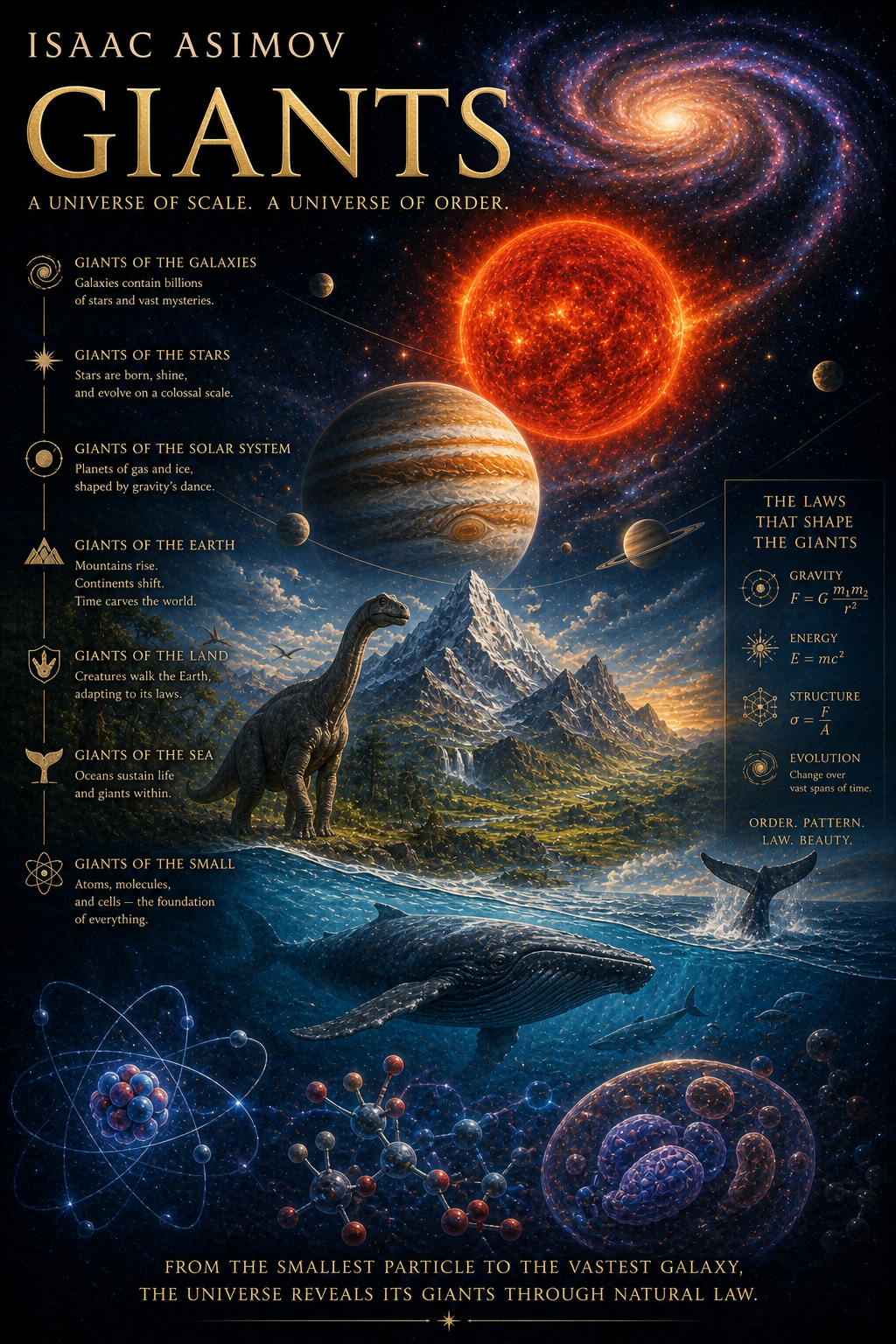
A man sat in a room filled with books, but his mind was on something much larger than the paper and ink before him. He was thinking about the universe, not as a collection of random objects, but as a carefully constructed building where every floor was a different scale of existence. This is the journey Isaac Asimov takes us on in his work, Giants. It is a journey that does not start with a bang or a spectacle, but with a quiet, logical question: what does it mean for something to be large? Asimov, ever the teacher, begins by clearing the air in The Meaning of Size. He explains that giant is not a fixed label we can pin on an object like a price tag. Instead, it is a relationship. To an ant, a beetle is a giant, to a human, the elephant is a giant, and to a planet, the sun is a giant. By establishing that size is relative, he prepares our minds to move through a progression of scales, transforming a vague sense of awe into a structured understanding of the world.
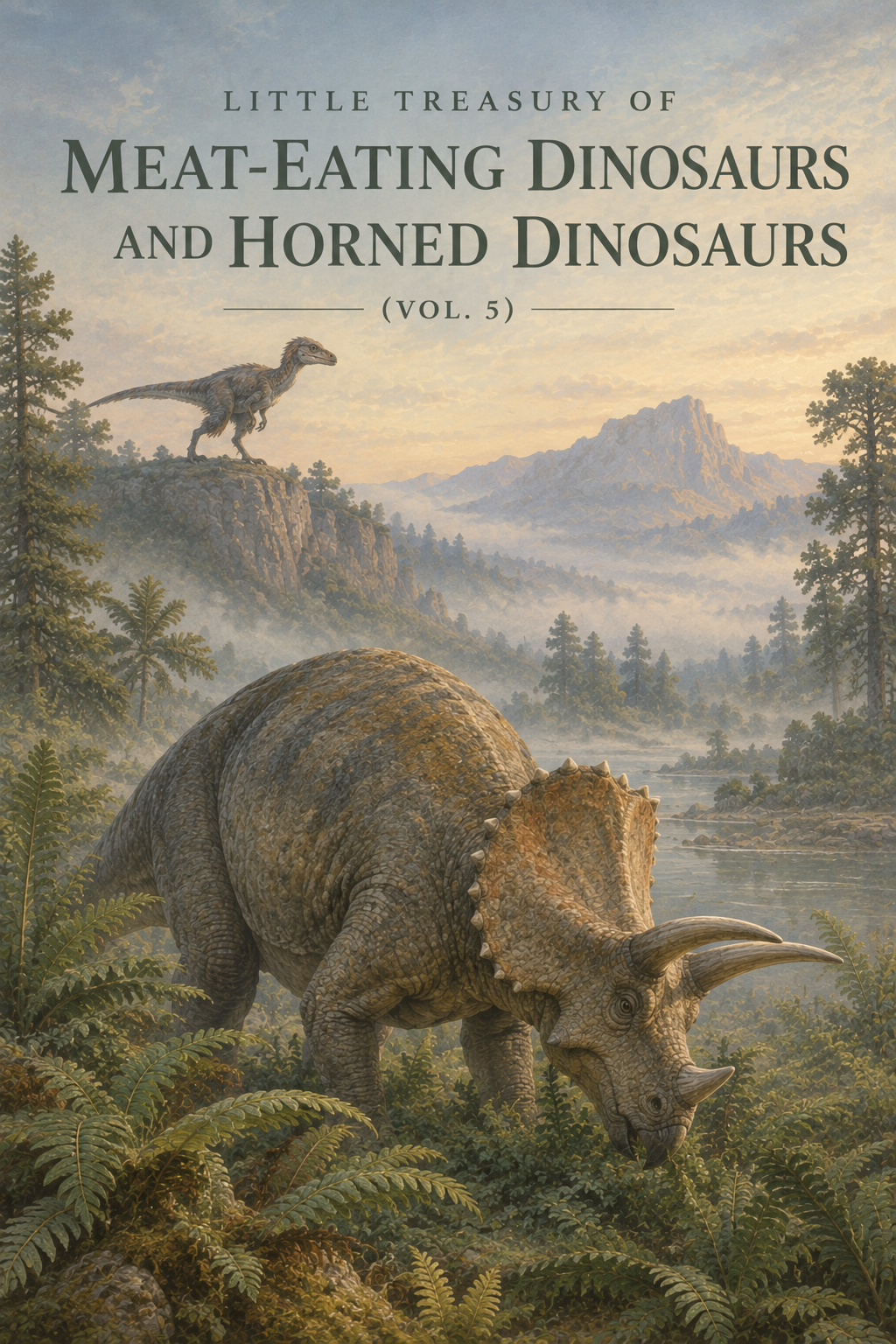
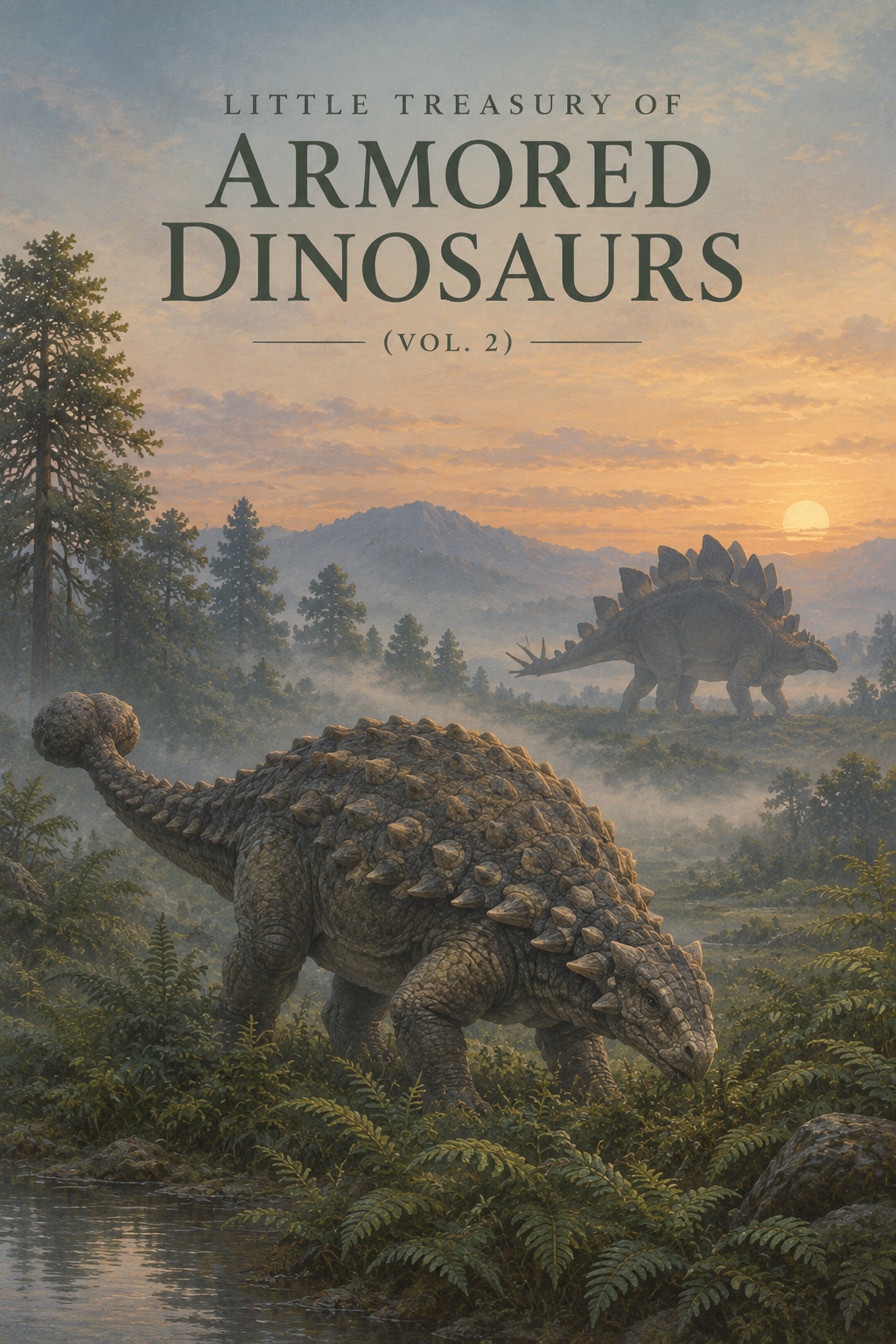
As our journey moves to the solid ground under our feet, we encounter the Giants of the Land. Here, Asimov tells the story of the great creatures that once walked the Earth. He does not treat dinosaurs as movie monsters, but as logical outcomes of their environment. He explains that a giant is a result of its environment. If a creature is to be large on land, its bones must be thick enough to support its weight against the pull of gravity, and its muscles must be strong enough to move that mass. These creatures are not accidents, they are the logical outcomes of their time. However, as the story of the land giants shows, when the conditions of the environment change when the rules of the game are rewritten the giants must disappear because their very size becomes a burden they can no longer carry.
But the land is not the only place where giants dwell. The narrative shifts into the deep, blue silence of the Giants of the Sea. In the water, the rules of physics change. Gravity still pulls, but the water pushes back, supporting the weight of a body in a way that air and land cannot. This shift in constraints allows for the existence of the blue whale, the largest animal we know. Asimov focuses our attention on the how of this existence. He looks at the feeding methods and the energy use that allow the ocean to sustain such a giant. In this chapter of the story, we see that the giant is not a freak of nature, but a perfect result of the properties of the ocean itself.
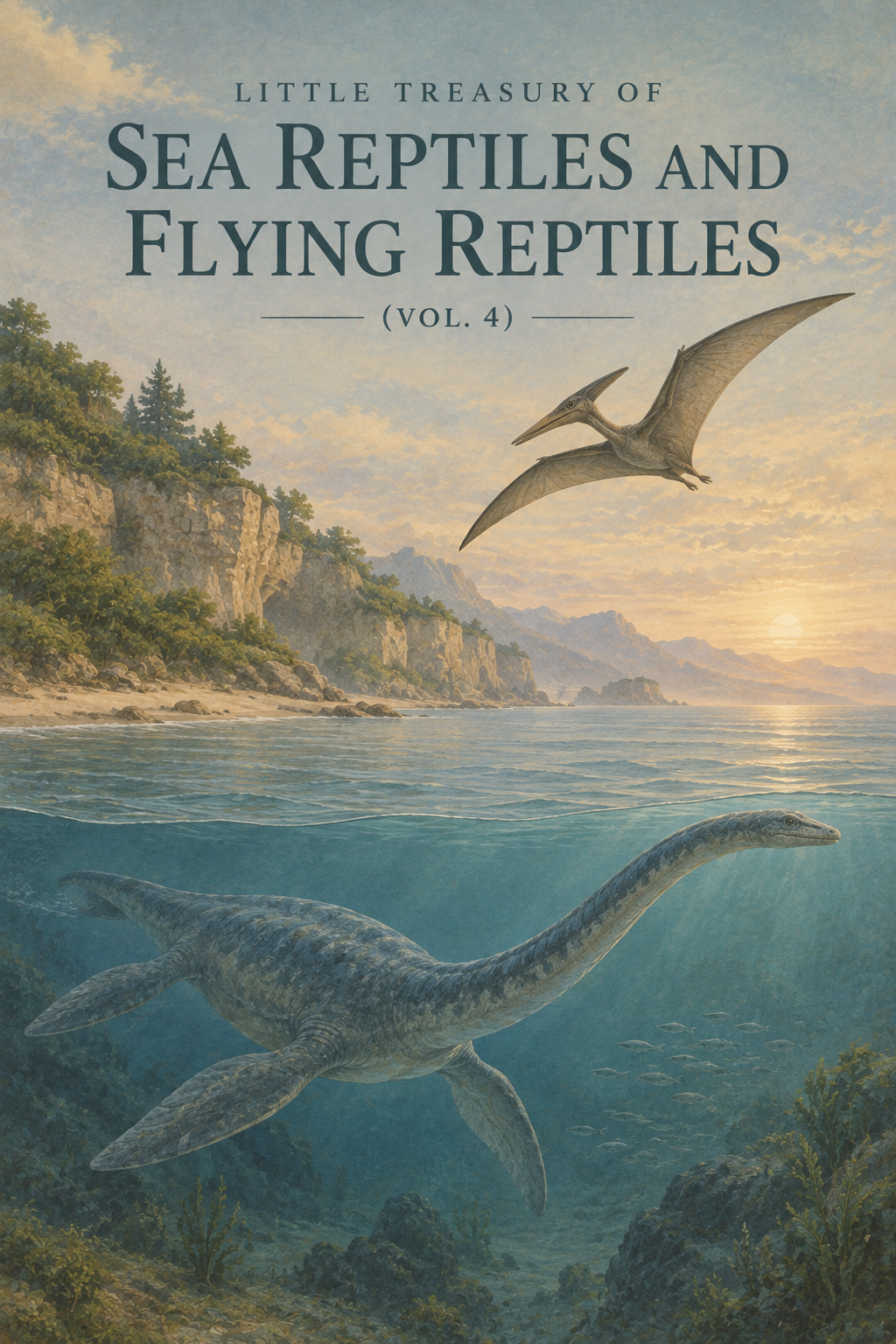
When we look up, we find the Giants of the Air. Here, the story becomes more delicate, for flight is a demanding master. To be a giant in the sky is a difficult feat because every ounce of weight must be lifted against the air. Asimov describes the great birds and the flying reptiles of the past, explaining the precise balance required between wing structure, lift, and weight. To be a giant here is not just about being big, it is about being finely tuned. It is a story of limits, where even a small mistake in proportions means the difference between soaring and falling.
The story then takes a surprising turn inward to the Giants of the Small. Asimov reminds us that scale works in both directions. In the world of the microscopic, a large molecule or a complex cell is a giant compared to the atoms that compose them. This section changes our perspective entirely. It shows us that complexity itself can be a form of size. A virus might be invisible to our eyes, but within its own scale, it is a structure of immense and daunting complexity. By the time we finish this part of the journey, we realize that giant is truly a matter of perspective, and that even the smallest worlds have their own versions of the monumental.
From the microscopic, we return to the massive with the Giants of the Earth. The narrator turns our gaze toward the very bones of our planet the mountains and the continents. These giants do not breathe or eat, but they are born of processes just as dynamic as any living thing. Asimov explains that mountains are not static features but are the results of slow, immense forces moving deep within the Earth. Their story is told over millions of years, moving so slowly that they seem eternal to us, yet they are part of a sequence of growth and erosion.
The journey then leaves our world behind to explore the Giants of the Solar System. As we move into space, we meet the gas giants, like Jupiter and Saturn. Here, the rules we learned on Earth are stretched to their breaking point. Gravity, which limited the size of the land animals, now becomes the primary architect of these massive worlds. These planets represent a different set of possibilities, shaped by composition and forces that we do not experience on our rocky home. They are the giants of our local neighborhood, governed by the heavy hand of gravity.
Our story reaches further into the dark to find the Giants of the Stars. Stars are not just points of light, they are spheres of energy so vast they defy easy imagination. Asimov explains how these giants form and how they sustain themselves through nuclear fire. He focuses particularly on the red giants, stars that have expanded to incredible proportions as they age. In this part of the story, we see that size can also be a sign of instability. A red giant is a phase, a moment of expansion that eventually leads to a change in state. Even for a star, being a giant is not a permanent condition.
Finally, we look at the Giants of the Galaxies. At this scale, individual stars are no more than grains of sand in a desert. Galaxies are vast systems of billions of stars, organized and moving in a grand, silent dance. Here, the human mind reaches the edge of what it can directly experience. We must rely on observation and logic to understand these structures. The story of the galaxy is the story of size at its most extreme, where the very concept of a thing starts to dissolve into a system of interactions.
The journey concludes with a return to principle in The Limits of Size. Asimov asks if there is a maximum size for anything in the universe. He concludes that the universe is not a place where things can grow forever. There are walls built of physics gravity, energy, and structural strength that define how large a creature, a planet, or a star can be. When these limits are reached, growth must stop, or the giant will collapse under its own weight or blow itself apart. The concept of the giant is bounded by the laws of nature.
In reviewing this work, one must see it through the lens of Asimov’s entire career. He was a man who believed that the universe was an orderly place, governed by laws that the human mind could grasp if it were patient enough. Giants is a perfect example of this philosophy. It does not try to overwhelm us with the bigness of things. Instead, it organizes size into a ladder we can climb. Each chapter is a step that builds on the one before it, moving from the familiar ground of our own bodies to the abstract reaches of the stars.
The book is a masterpiece of logical presentation. Asimov’s strength lies in his ability to show us that the blue whale, the mountain, and the red giant are all part of the same story. They are not anomalies, they are the natural results of physical processes that operate consistently across all scales. By the time we reach the end, we realize that the book was never really about how big things are. It was about order. It was about the fact that everything in the universe, no matter how large, has its place and its reason for being.
Asimov’s work suggests that to understand the giant is to understand the rules that govern us all. It builds from the simple observation of our own surroundings and leads us to a vision of a universe that is vast but entirely comprehensible. This is the hallmark of Asimov’s genius: he takes the infinite and makes it feel like home. The story of Giants is, in the end, the story of how our own small minds can measure the greatest structures in existence. It is a quiet, expansive look at the architecture of reality, proving that while we may be small, our understanding does not have to be.