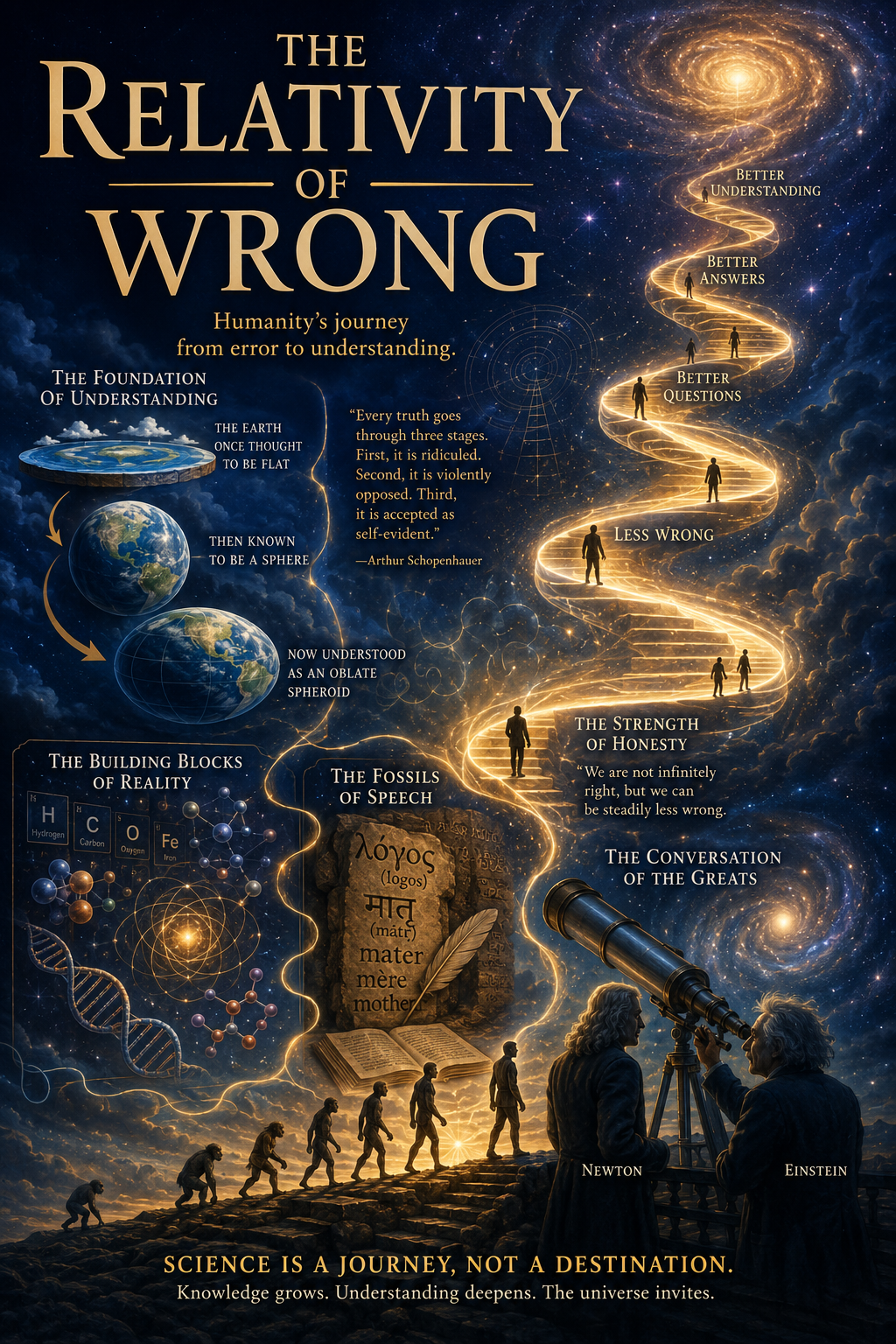
science The Relativity of Wrong Asimov’s essays argue that science progresses by refining useful approximations through intellectual honesty, allowing humanity to become steadily less wrong as our scientific knowledge accumulates.
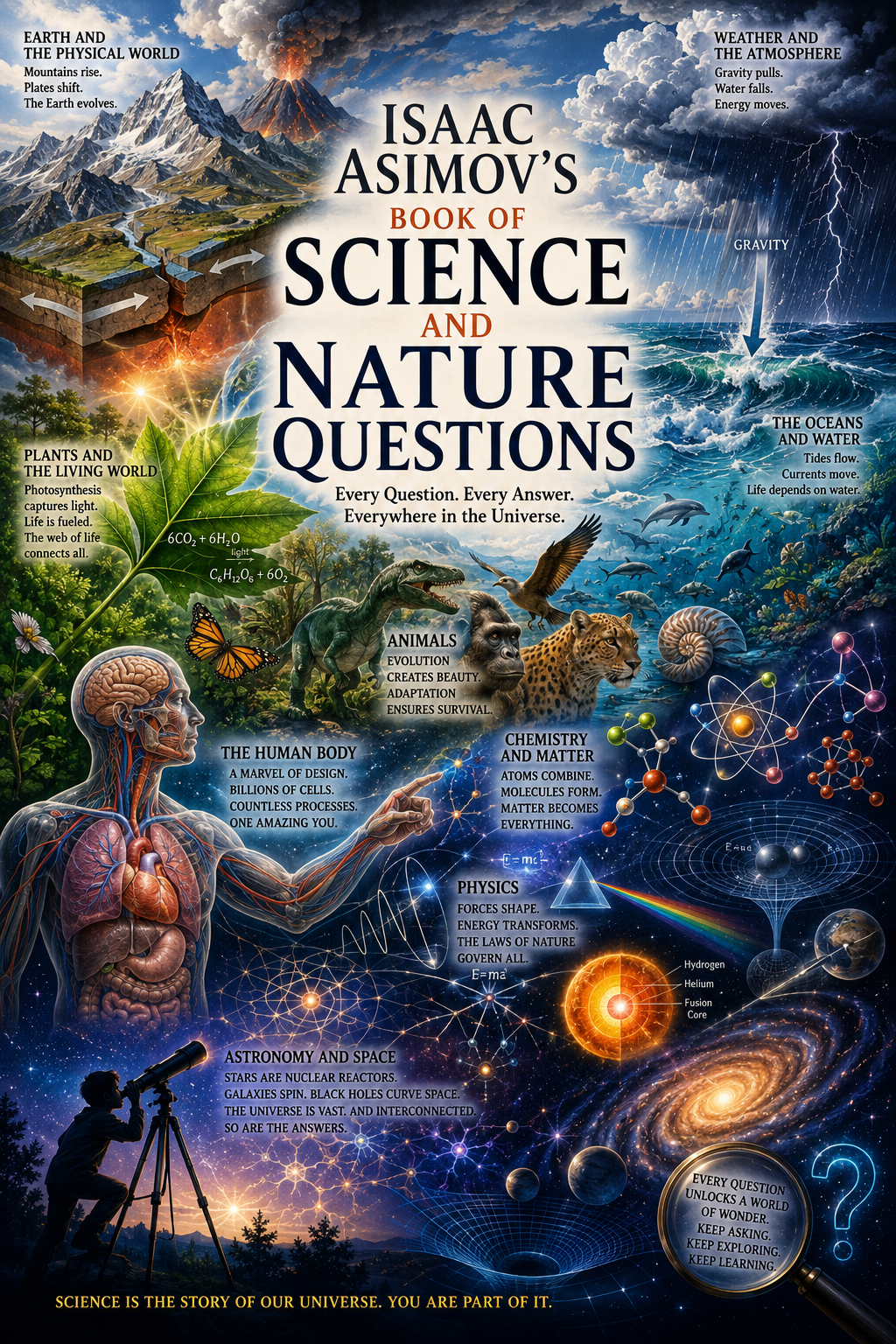
science Isaac Asimov's Book of and Nature Questions Earth and the Physical World details plate tectonics. Physics uses gravity. Photosynthesis powers Plants and Living World. Animals detail evolution. Astronomy and Space covers astronomy.
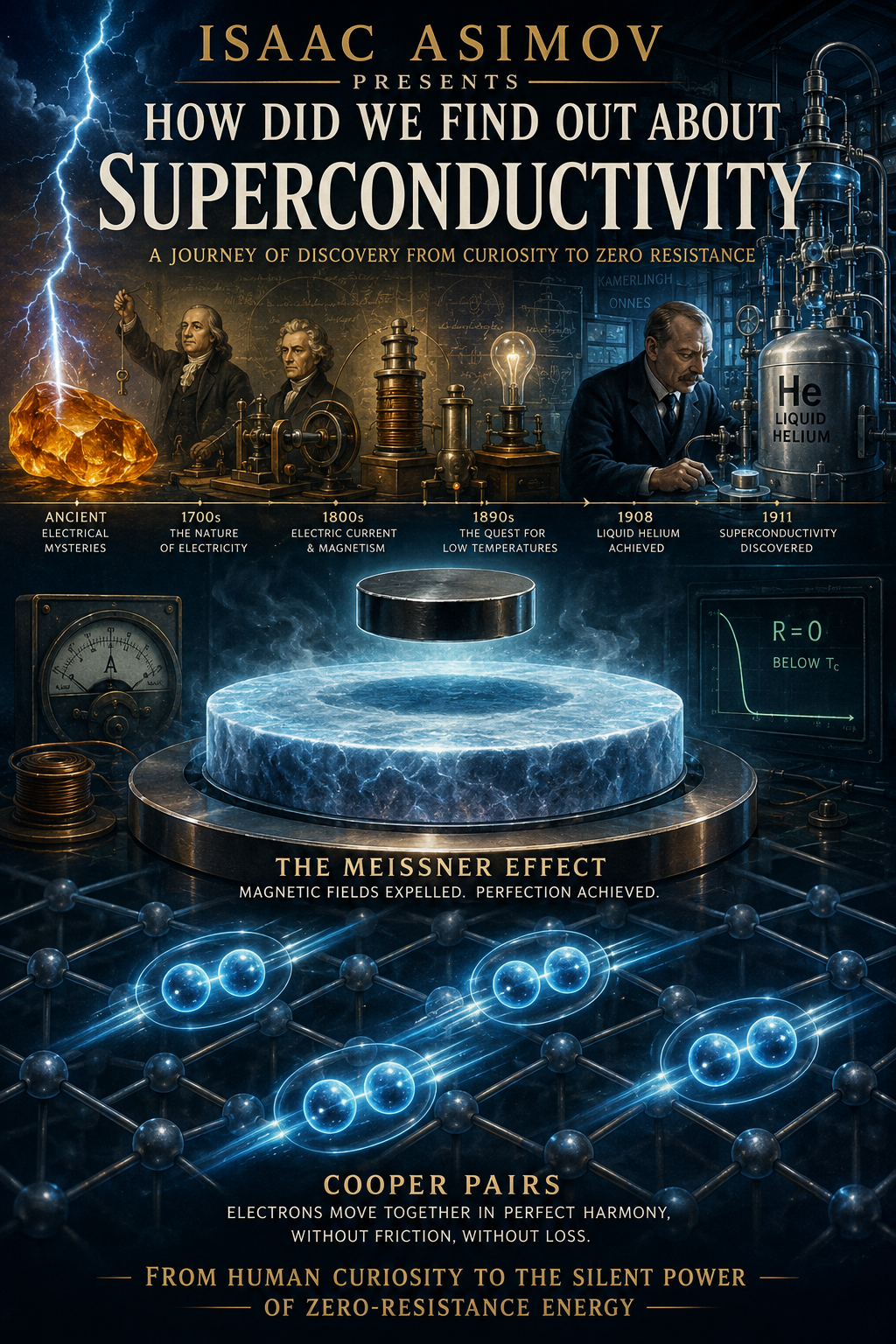
science How Did We Find Out About Superconductivity Asimov traces the historical journey from early electricity to cryogenic physics, detailing the discovery of zero resistance and its quantum explanation through electron Cooper pairs.
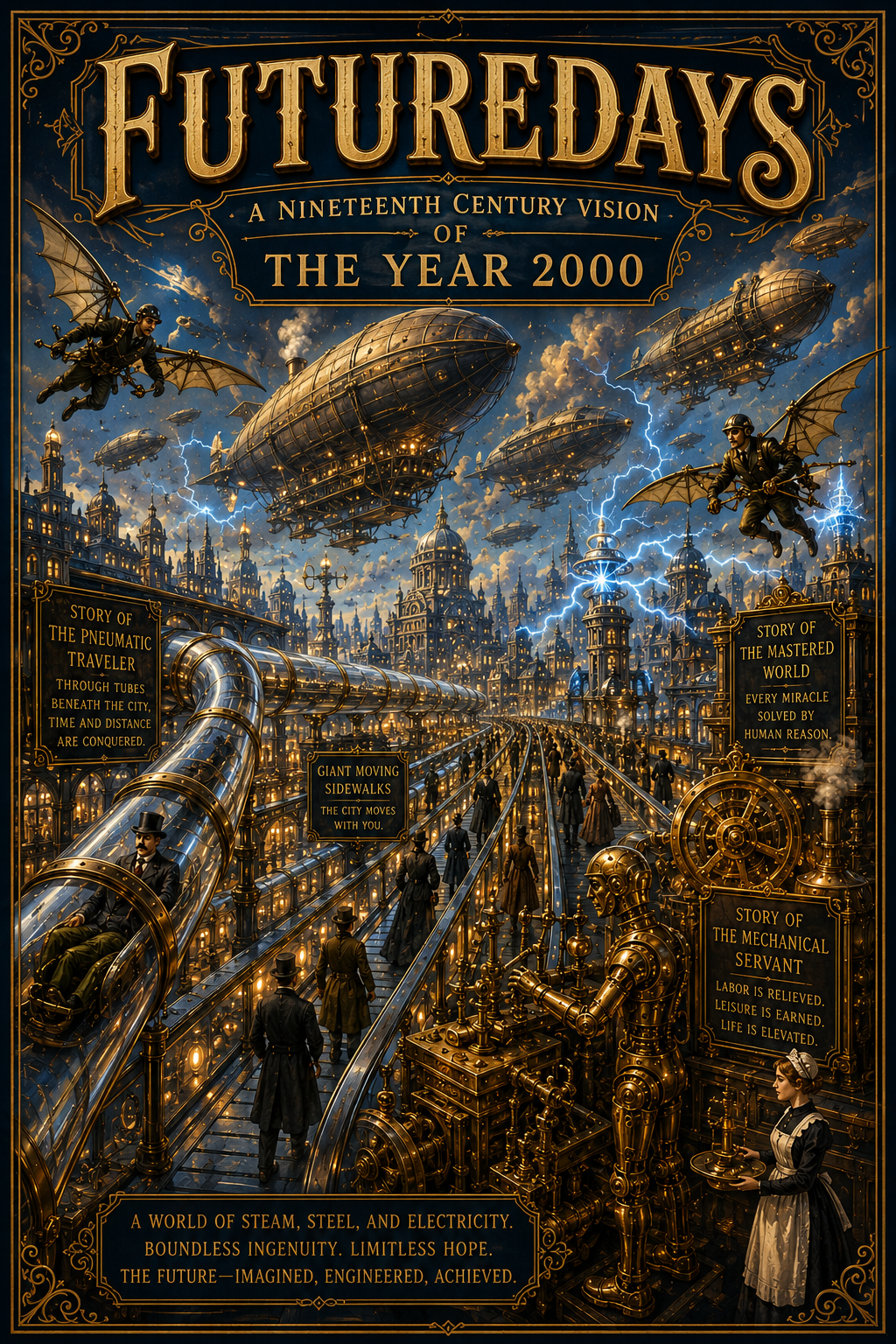
science Futuredays A Nineteenth Century Vision of the Year 2000 Asimov analyzes nineteenth-century predictions for the year 2000, illustrating how past generations used logic and hope to imagine their future technological progress and social change.
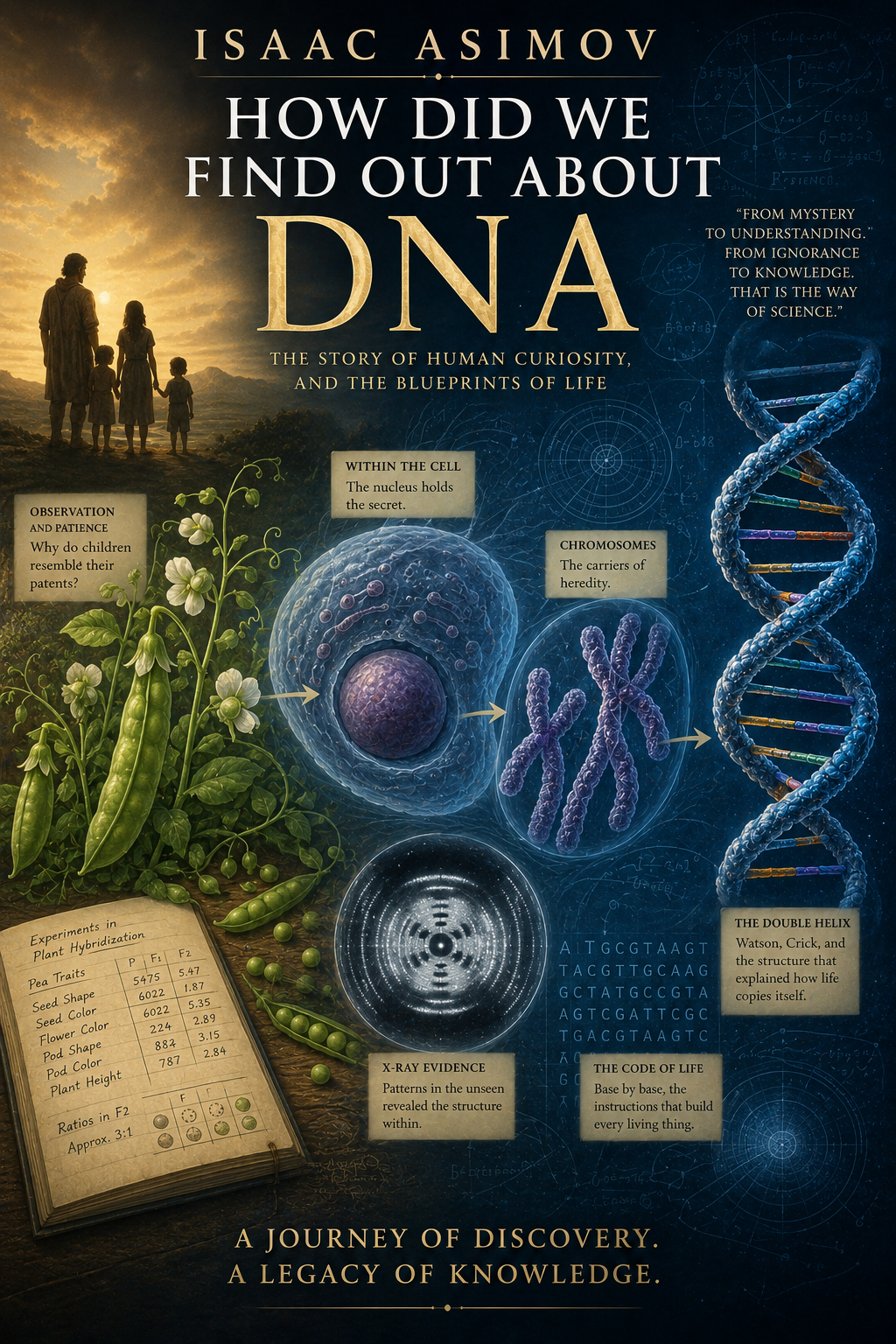
science How Did We Find Out About DNA Asimov chronicles the logical journey from ignorance to understanding heredity. From Mendel’s experiments to the DNA double helix, scientists decoded life’s fundamental, hidden molecular blueprints.
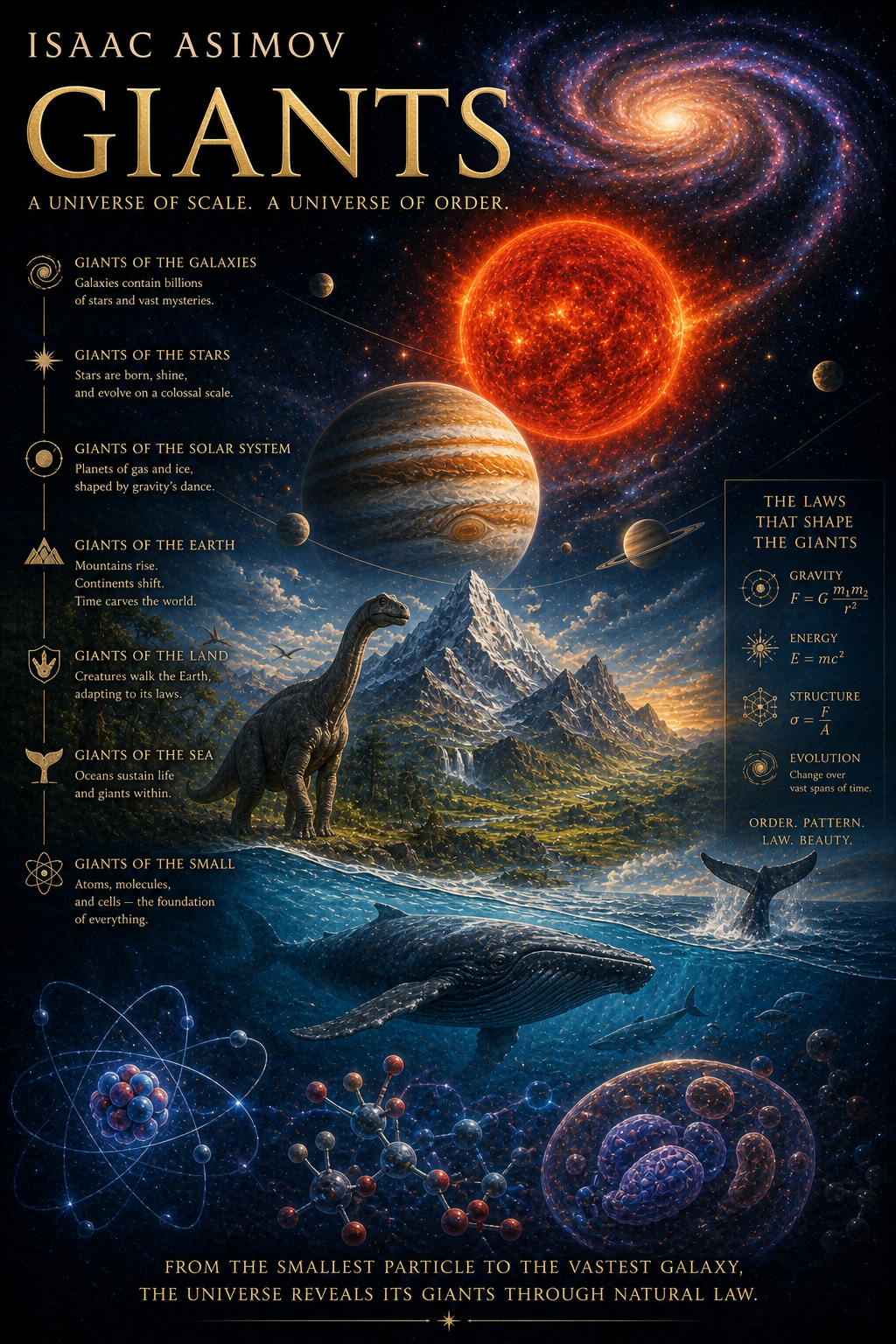
science Giants Asimov defines size as relative. Moving from microscopic scales to galaxies, he shows how physical laws govern an orderly universe.
science The Edge of Tomorrow Asimov explains how humanity uses science and technology to methodically cross boundaries between the known and unknown, turning the future into a continuous, logical invitation.
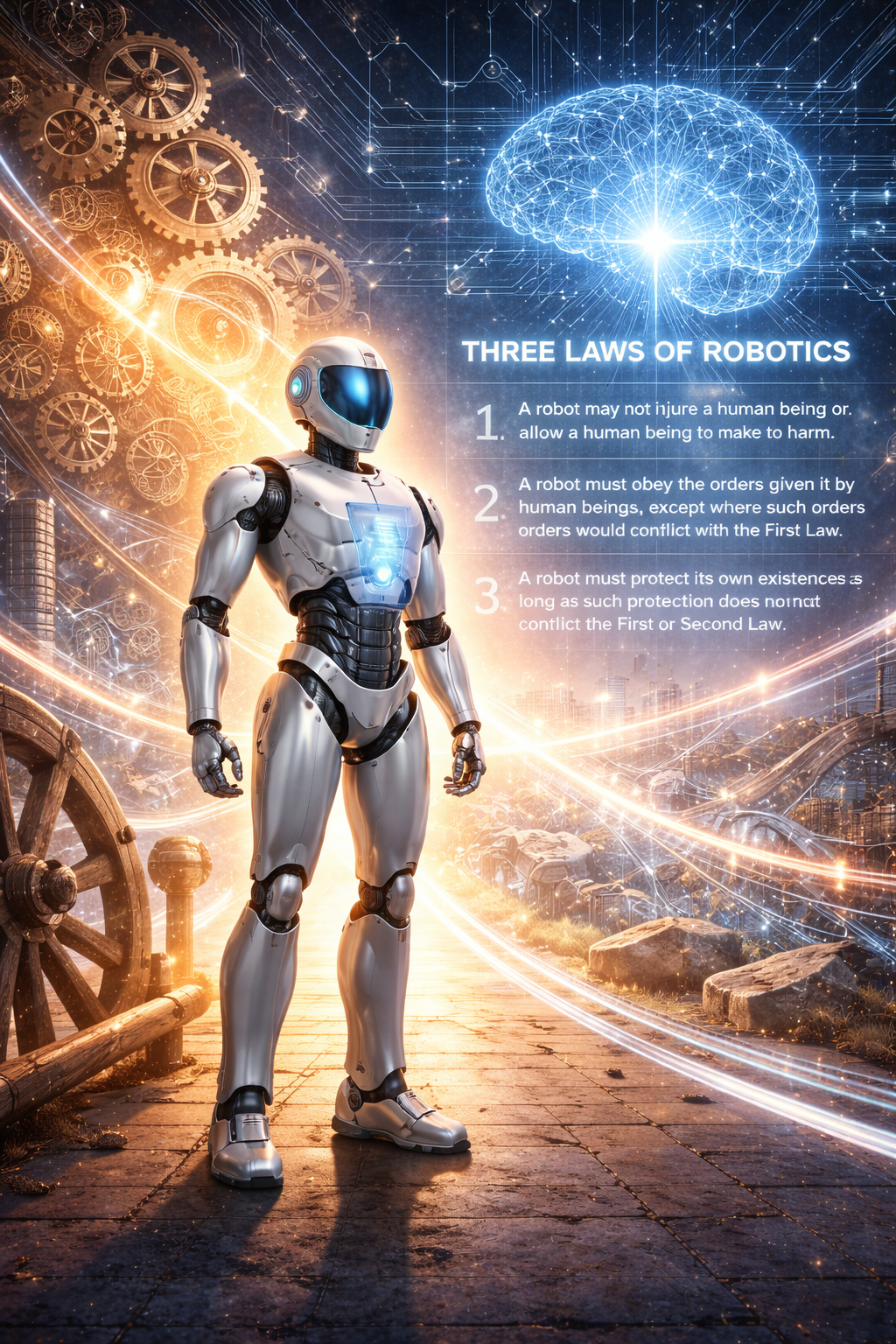
science Robots, Machines In Man's Image Asimov traces humanity's evolution from simple tools to logical robots. These machines, governed by safety laws, are functional extensions that reflect and enhance human ingenuity.
science Living in the Future Asimov details how today becomes tomorrow through steady progress in machines energy communication framing the future as a continuous human created process.
science How Did We Find Out About the Atmosphere Asimov traces the logical discovery of the invisible atmosphere, revealing its weight, composition, and layered structure as a universal principle of planetary science.
science Spells Edited by Isaac Asimov, this collection examines magic as primitive science, exploring how humans use logic and learning to transform uncertainty into understanding,
science Supermen This anthology explores superhuman evolution, logically arguing that true greatness requires empathy, restraint, and the celebration of human imperfections to preserve our essential shared humanity.